

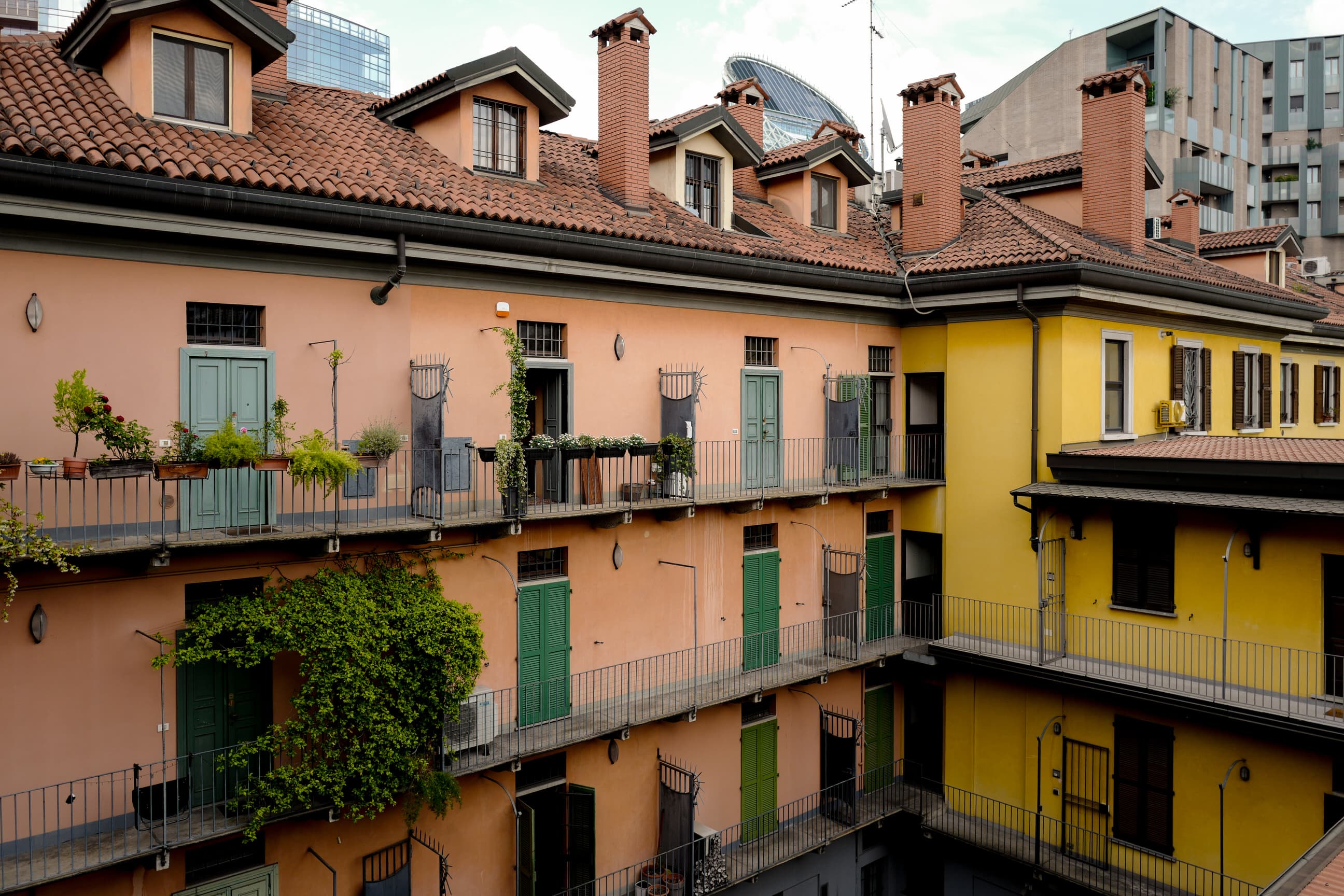
NO. 03 · JULY 2026
Milan is not a destination.
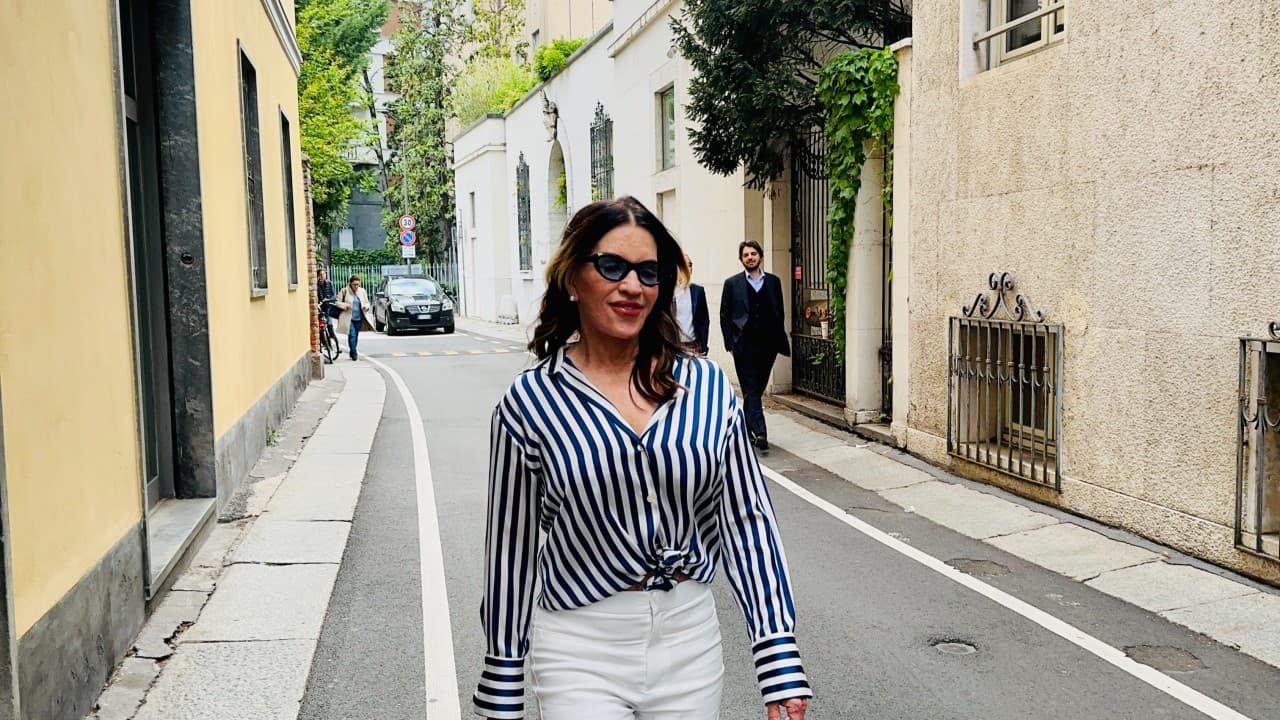
By Giselle Koy
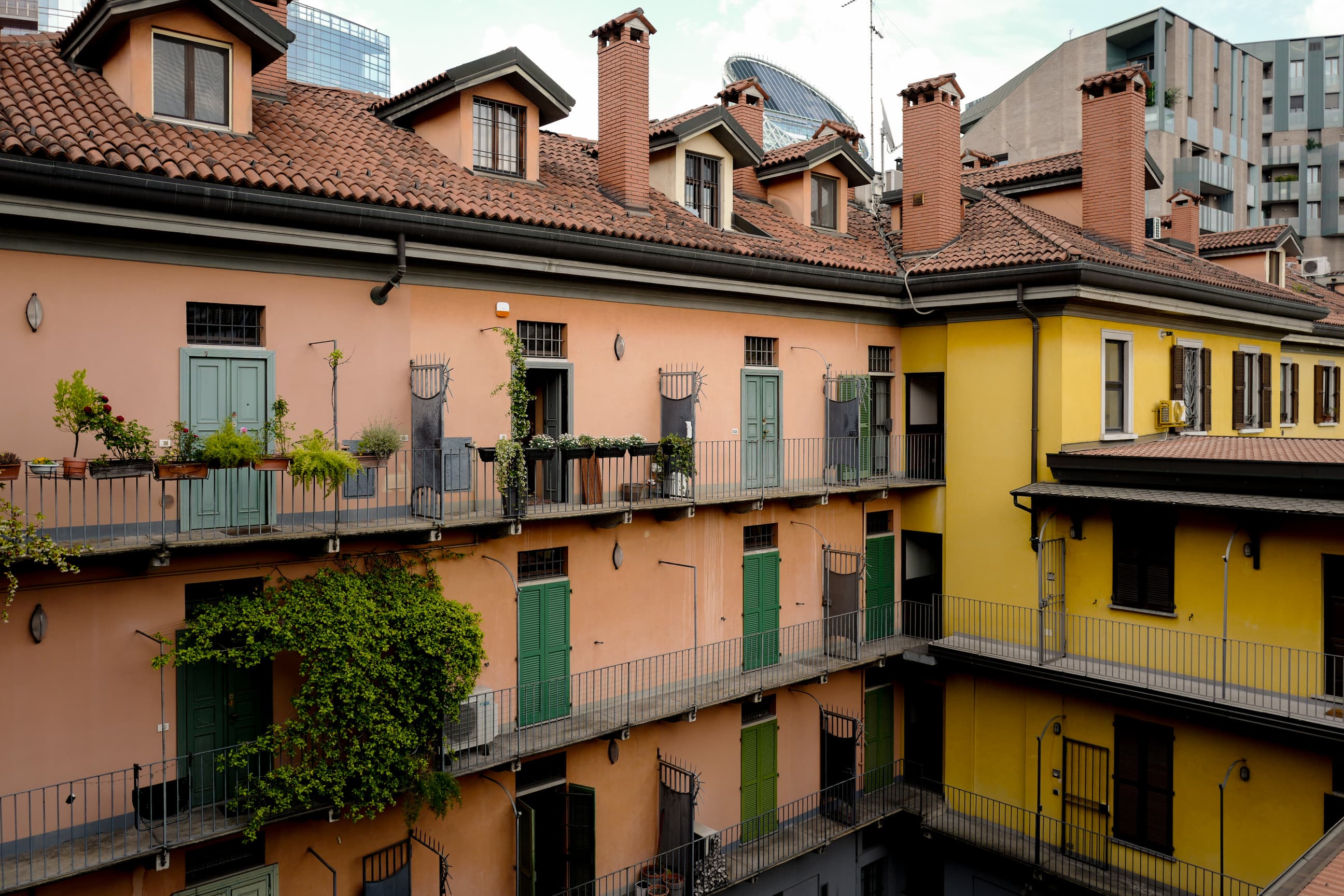
From the editor
Milan is not a destination. It is a frequency.
Every April the city transmits something — through the showrooms, the palazzos thrown open for the week, the side streets where the real work is always happening — and the rest of the design world spends twelve months trying to decode it. I have been going long enough to know that what you are looking for is never in the main halls. It is in the corner of a courtyard installation. In the conversation after the lights go down. In the object that stops you without knowing why.
This issue is my translation.
What I brought back from Milan this year is not a trend report. It is a set of convictions. About rarity. About craft. About the difference between a room that photographs beautifully and a room that holds a life. About the Italian lineage — art, research, making, industry — and what it means to carry that forward without nostalgia.
Nina Yashar called rarity an attitude and a receptivity. I have been thinking about that ever since.
This is the issue where we talk about what rarity actually means — and what it costs to pursue it.
— Giselle
The mood
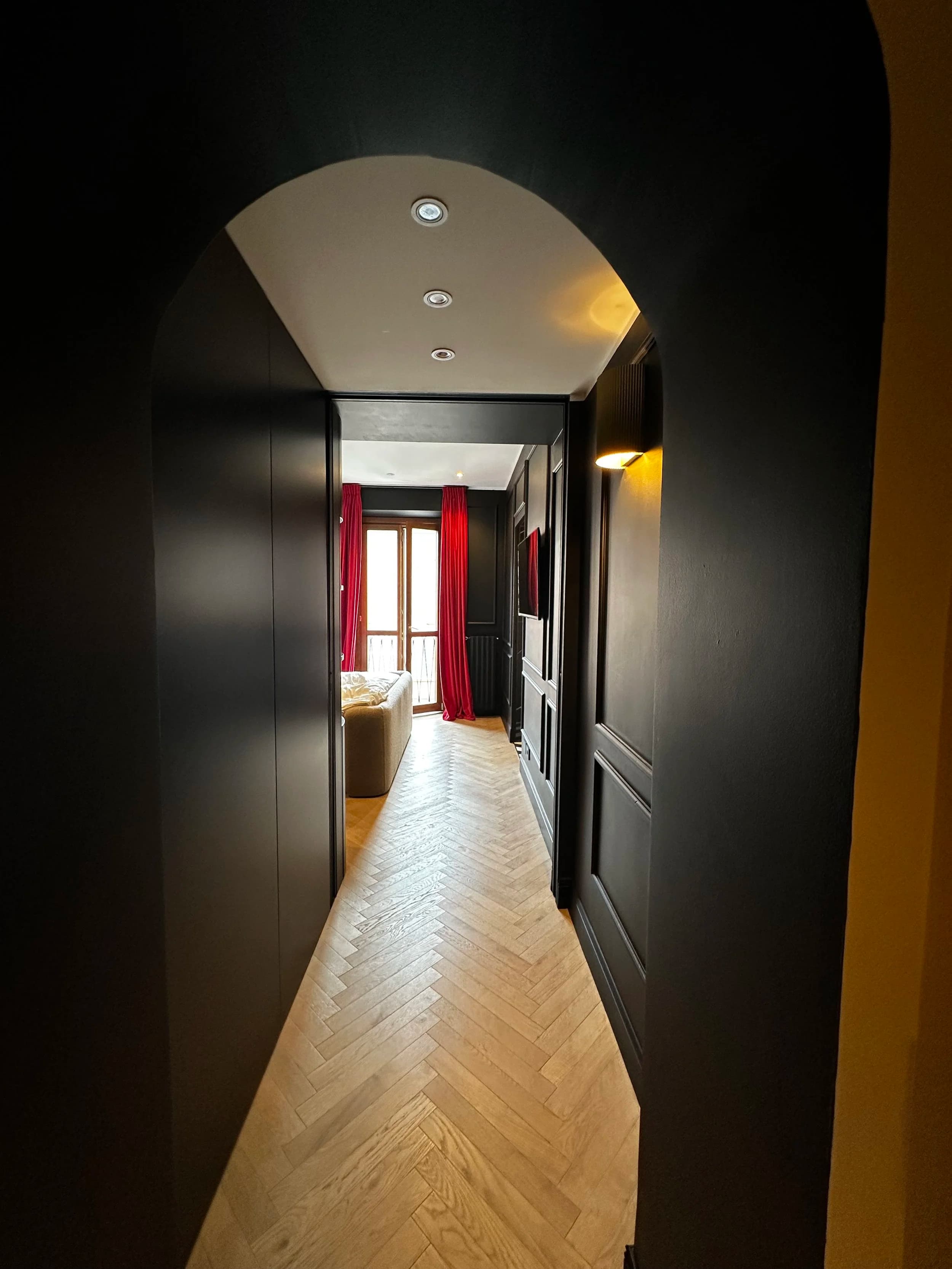
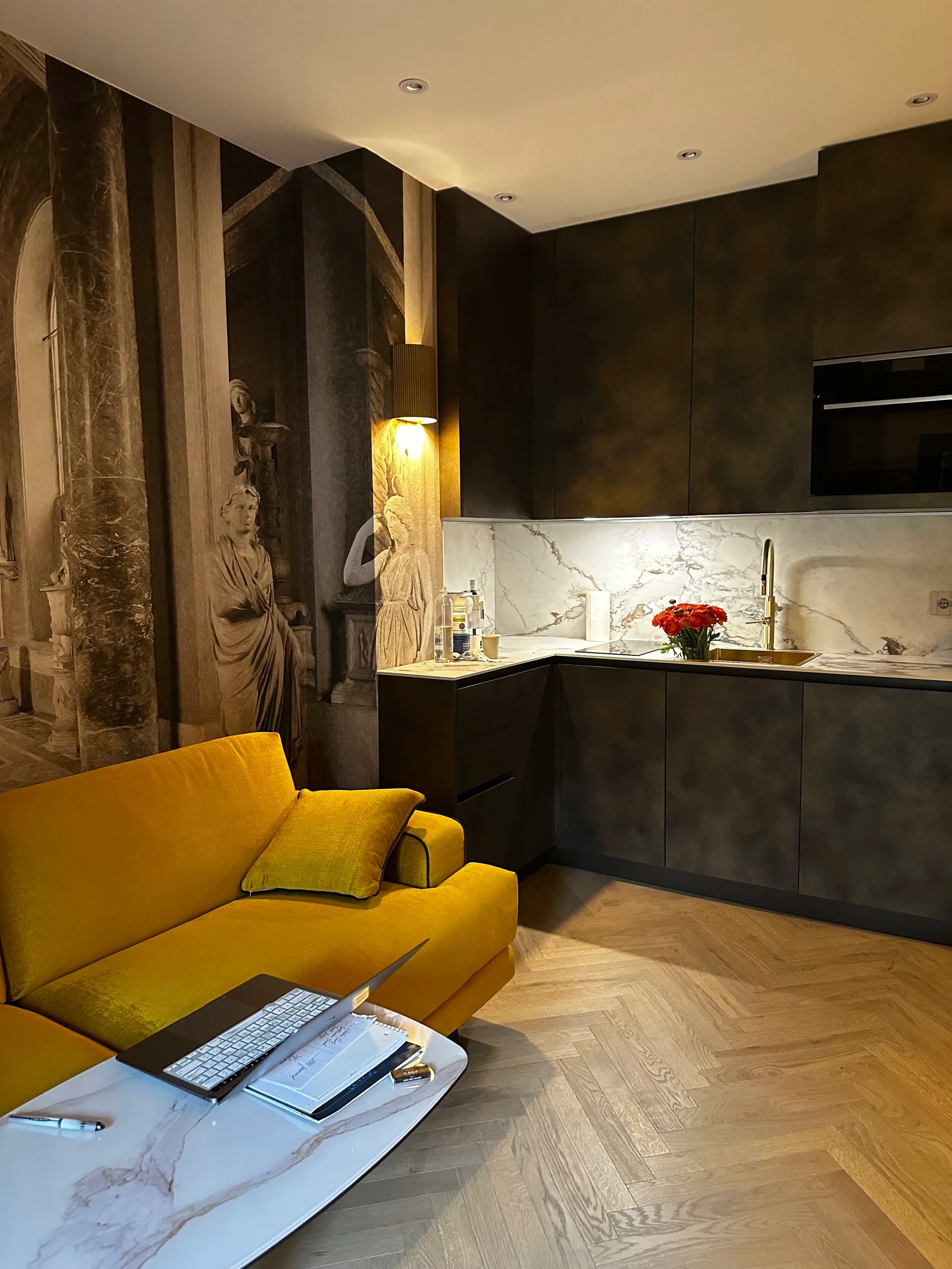
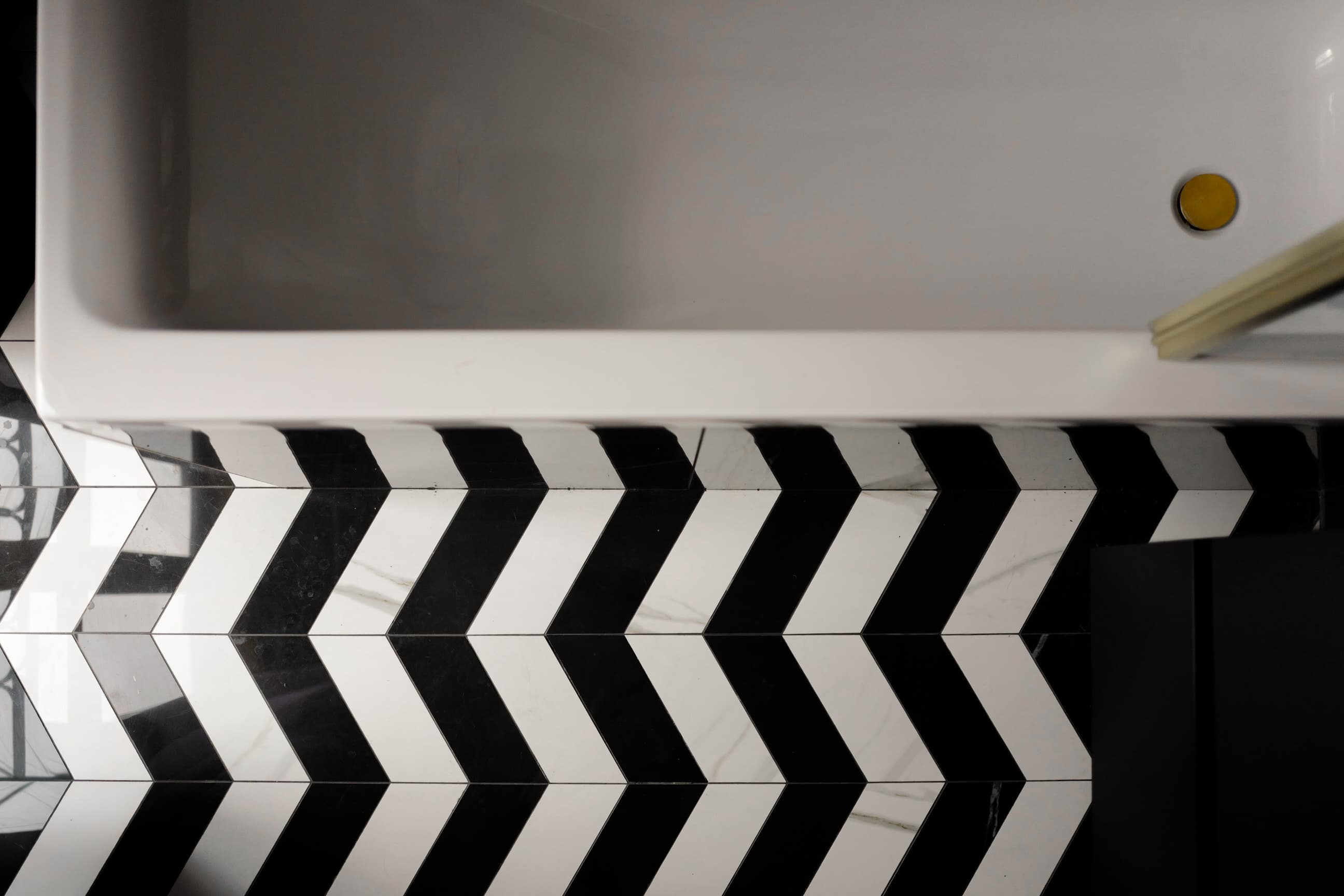
Herringbone marble · crimson silk · aged plaster · the frequency of Milan.
“Rarity is not a price point. It is an attitude and a receptivity.”
— Nina Yashar, Nilufar Gallery — Milan
THE SIGNAL
On Salone Raritas, the Italian lineage, and why the 1% of the hunt has never mattered more.
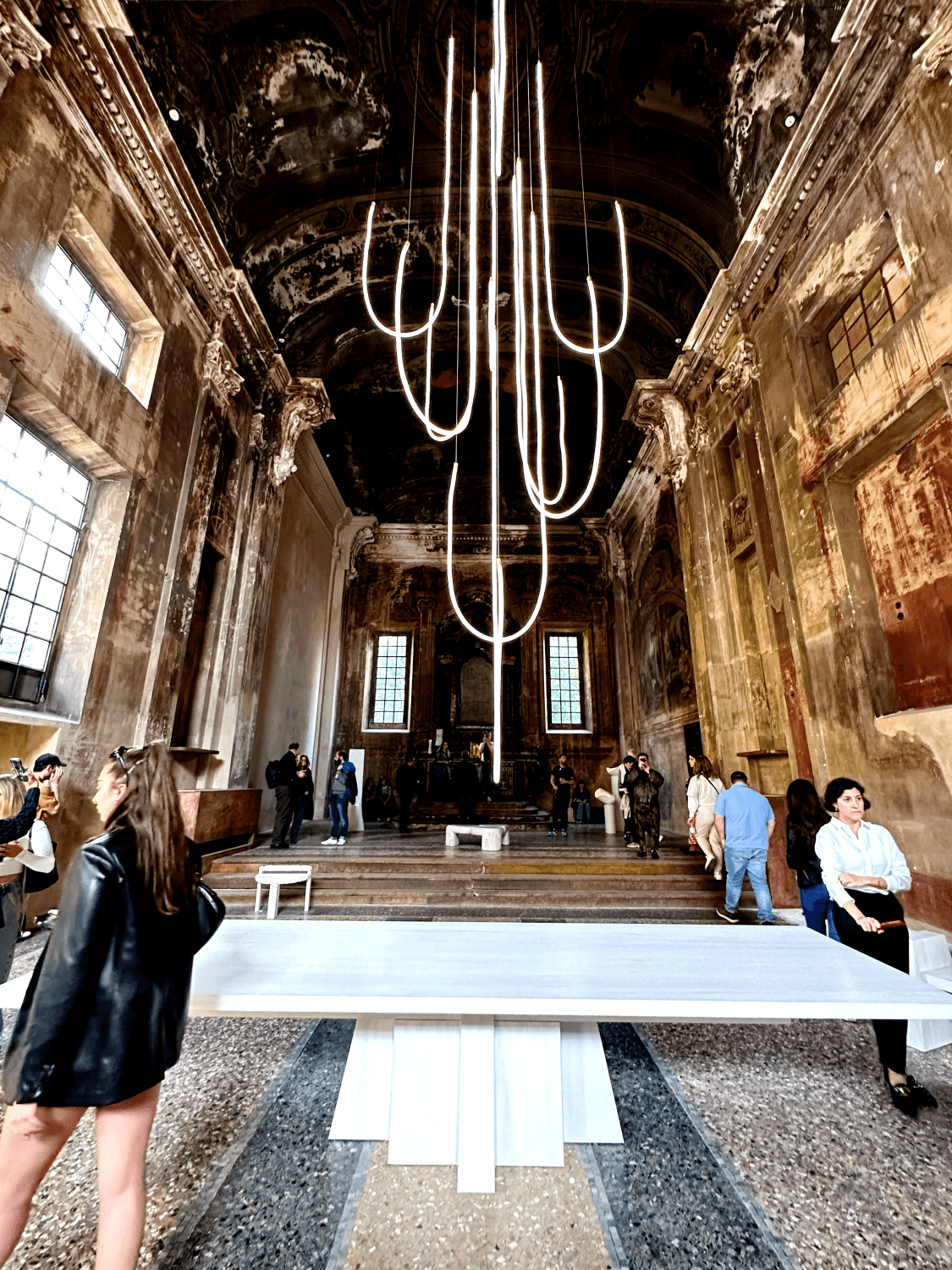
Salone del Mobile launched something new this year: Salone Raritas. A dedicated section for rare objects, antiques, and high-craft pieces, curated by Annalisa Rosso and installed by Formafantasma. It debuted in Pavilion 9. And it matters more than the press releases suggested.
What Raritas is naming is something the best interiors have always known: a room built only from what was easy to find will never fully settle into itself. The rare piece is not the exception to the room. It is the reason the room works.
I have spent my career looking for those pieces. At the stone yard at dawn. In the back rooms of estate archives. At the bench of a craftsman whose name most buyers have never heard. The hunt is not romantic — it is disciplined, patient, and often expensive in ways that have nothing to do with price.
Francesco Faccin described the Italian design tradition as humanistic: art, research, craftsmanship, and industry held together in one lineage. He invoked Sottsass. Branzi. That is the tradition I studied at Marangoni. It is the tradition I carry into every room I design, regardless of budget or geography.
What Milan reminded me this year is that the lineage is not a museum piece. It is an operating system. The designers who are doing the most interesting work right now are not nostalgic for it — they are fluent in it. They know the rules well enough to know exactly which ones to break.
That is what I brought home. Not objects. A recalibration.
THE OBJECT
Why the rare piece is never the exception — it is the reason.
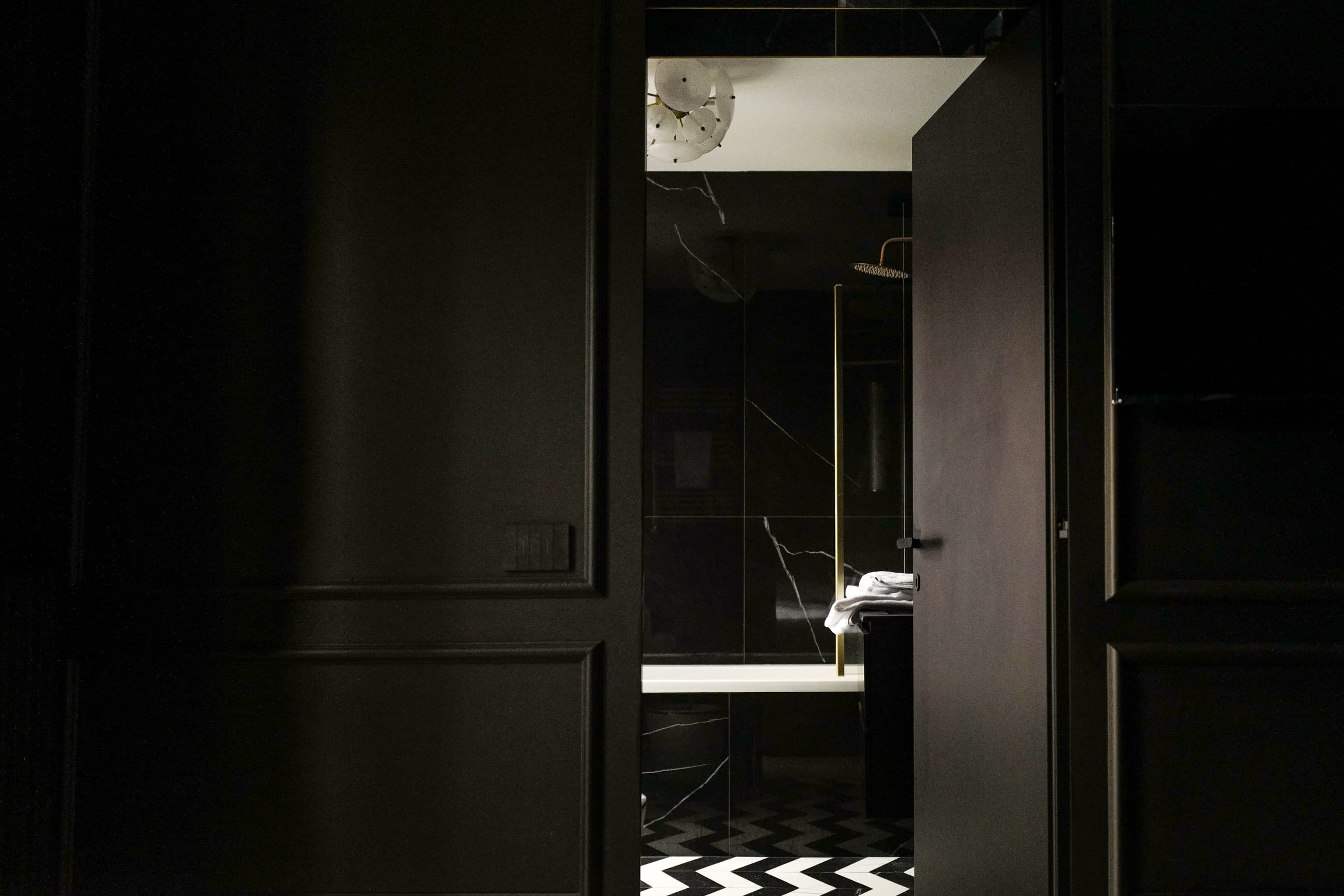
There is a moment I watch for in every finished room. It comes just before the client finds their words. They step in, they go quiet, and for a few seconds nothing is happening except that the room is working.
I call it the silent frequency. It is what I am designing toward in every project.
The rooms that achieve it are never the ones with the largest budgets or the most impressive sourcing. They are the rooms where one decision was made that made every other decision legible. Usually it is the rare piece. The object that was not supposed to be there — the one that took six months to find, or arrived from somewhere unexpected, or was made by someone who does not do custom work but agreed to this once.
In Milan Jewel, it was the mural. A hand-painted scene above the fireplace that made the marble floors feel inevitable and the silk curtains feel earned. Remove it and the room becomes a very good renovation. Keep it and the room becomes a conversation.
This is what I mean when I talk about the 1% of the hunt. I am not looking for the most expensive option. I am looking for the thing that unlocks the room. The thing that makes you understand, standing in it, why all the other choices were made.
When I find it, everything else becomes easy.
“I am not looking for the most expensive option. I am looking for the thing that unlocks the room.”
— Giselle Koy
THE EDUCATION
What the Marangoni Institute taught me that no amount of sourcing ever could.
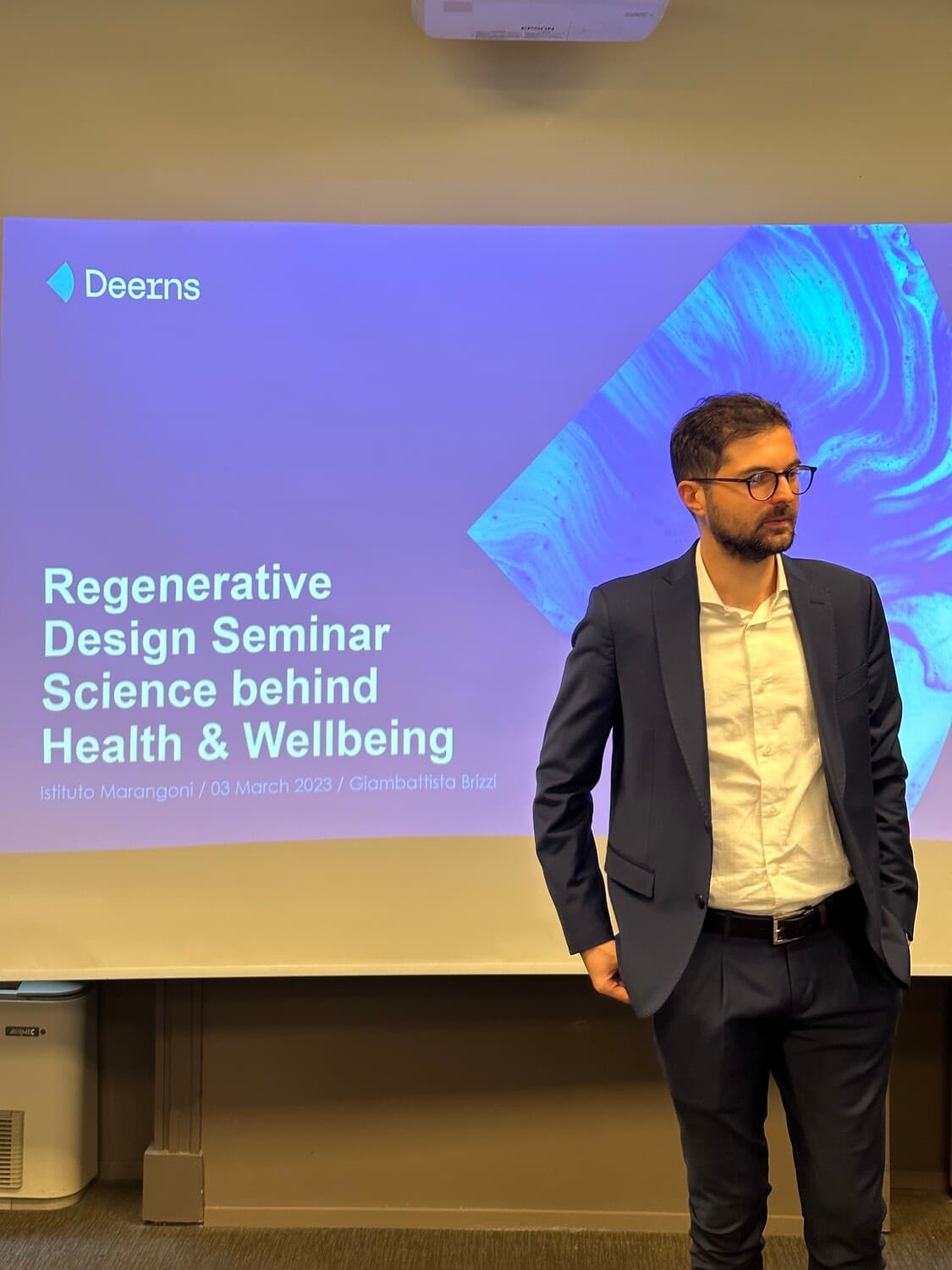
In the course Interior Design for Design Professionals at the Marangoni Institute, I had a front row seat to the ethos of the design capital of the world — as well as Design Week. Here are my top five nuggets.
1. Design for Human Connection
As professor Giulio Cappellini declared, "Design is for making the smiles." This defines the Italian approach: purposeful creations that blend luxury, well-being, and delight to elevate human experience.
Marangoni teaches craft — whether fashion, furniture, or interiors — that resonates emotionally while maintaining refined functionality. Keep it a human-centric focus, creating work that feels both luxurious and deeply personal.
2. Learn from Italy's Design Dynasties
Milan is the epicenter of design legacies, where generational craftsmanship fuels global influence. Iconic houses like Armani's timeless minimalism, Versace's opulent maximalism, Prada's cerebral edge under Miuccia Prada, Gucci's eclectic reinvention by Alessandro Michele, Dolce & Gabbana's Sicilian soul, Fendi's material mastery, Bottega Veneta's artisanal weaves, Missoni's textile innovation, and Etro's bohemian prints.
Furniture leaders like Minotti, B&B Italia, Poltrona Frau, and Kartell redefine form, while Flos and Artemide pioneer lighting design. At Marangoni, students immerse themselves in these legacies — studying ateliers, archives, and techniques with visits to the studios.
3. Master the Art of Conceptual Sophistication
A great interior isn't a random assemblage — it's a cohesive concept, where every element aligns with a deliberate narrative. These timeless foundations ensure relevance, whether the design is neoclassical or avant-garde.
Milan's ethos embraces bold materials — marble, silk, leather — paired with modern technology, like pixelated screens or sculptural light fixtures against aged villa walls. At Marangoni, students are taught to weave this contrast into spaces that are both inviting and provocative, marrying historical depth with contemporary edge.
4. Harness Technology's Transformative Power
Modern technology is a cornerstone of Milan's forward-thinking design scene. Cutting-edge tools — digital fabrication, parametric modeling, interactive installations — marry the tactile soul of Italian craftsmanship.
Picture massive, sculptural light fixtures illuminating faded villa halls, or screens casting dynamic patterns across ancient frescoes. This fusion of high-tech and high-heritage creates spaces that feel alive and innovative — work that's both futuristic and grounded, a provocative combination.
5. Show Off with Purpose
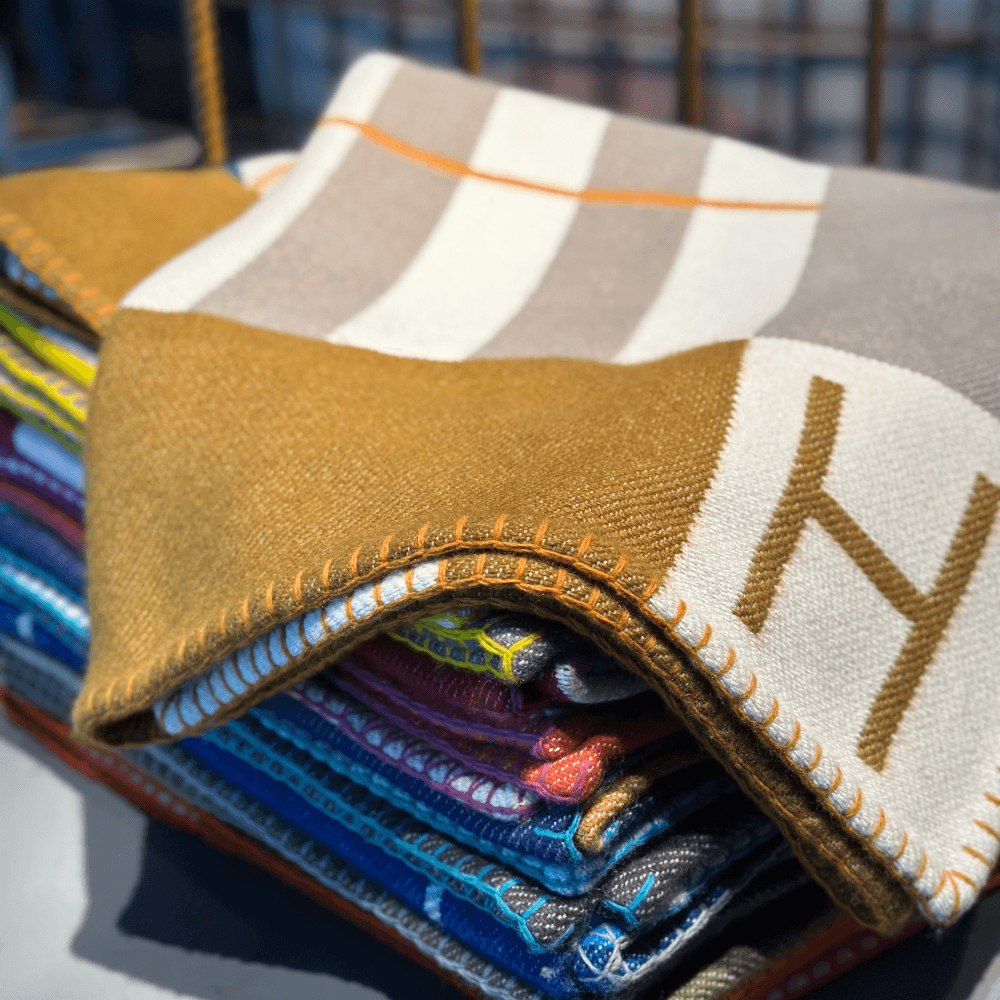
Milanese design thrives on spectacle, but it's never gratuitous. The city was once the capital of the Roman Empire, and this grandeur heritage celebrates bold, luxurious materials that command attention: handwoven silks, burnished leathers, gleaming marbles.
Think sumptuous textures draped over a minimalist frame, or a single opulent piece anchoring a sleek space. The key is restraint: spectacle serves the concept, not the ego.
High craft environments that feel grand yet approachable — this is the hallmark of Italy's ability to make extravagance timeless.
COMING SOON
An idea that arrived quietly and won't leave.
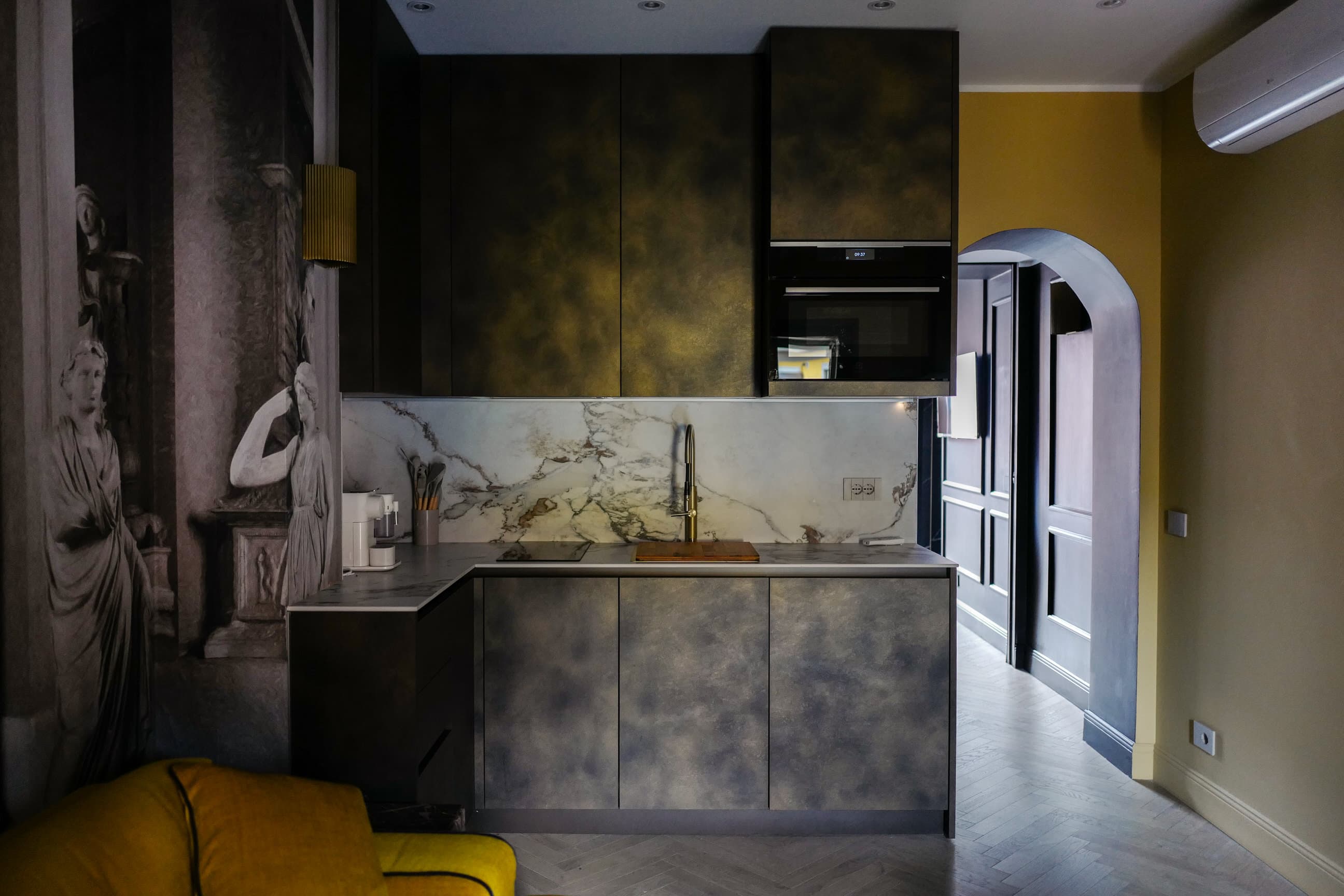
I had an idea.
I think a lot of people would love to come stay at Milan Jewel and spend their mornings at the Scuola Leonardo da Vinci — one of the most respected Italian language schools in the city. Two or three weeks. The kind of trip where you leave speaking differently and thinking differently.
The apartment is extraordinary. You know that. But what I've been realizing is that the experience of being in that space — in that neighborhood, in that city — is something that should be shared.
I am working on building it out as a proper short-term rental, and I want to create curated packages: accommodation at Milan Jewel, enrollment at the language school, a few things I have personally sourced from the city — places to eat, makers to visit, the itinerary I would give a close friend.
Sometimes you are so close to something that you stop seeing it clearly. I've had Milan Jewel for years. It took a quiet moment this spring to understand what it actually is.
More soon.
Coming next
And after that: THE 808 · THE COLORADO ESTATE.
Each issue arrives at the start of the month. Leave your email and the next one comes to you.
NO. 03 · JULY 2026
Download the issue PDF · 7.6 MB