


NO. 04 · SEPTEMBER 2026
Old world is not a look.
By Giselle Koy
From the editor
Old world is not a look.
You can't buy it in a finish or a paint color. It is a way of making things, and the people who still make things that way are getting harder to find.
I have been chasing them for a long time. Sixteen years ago I went to Venice to stand inside the Palazzo Fortuny, because I wanted to know what it felt like to be in a place where very little had changed. I have been ordering the fabric ever since.
That is what this issue is about. The dyes. The looms. The hands. The decisions you can still feel in a room a hundred years after somebody made them.
Some of it is Italy, because Italy is where I learned to look.
Some of it is much closer to home.
— Giselle
The mood
THE BEGINNING
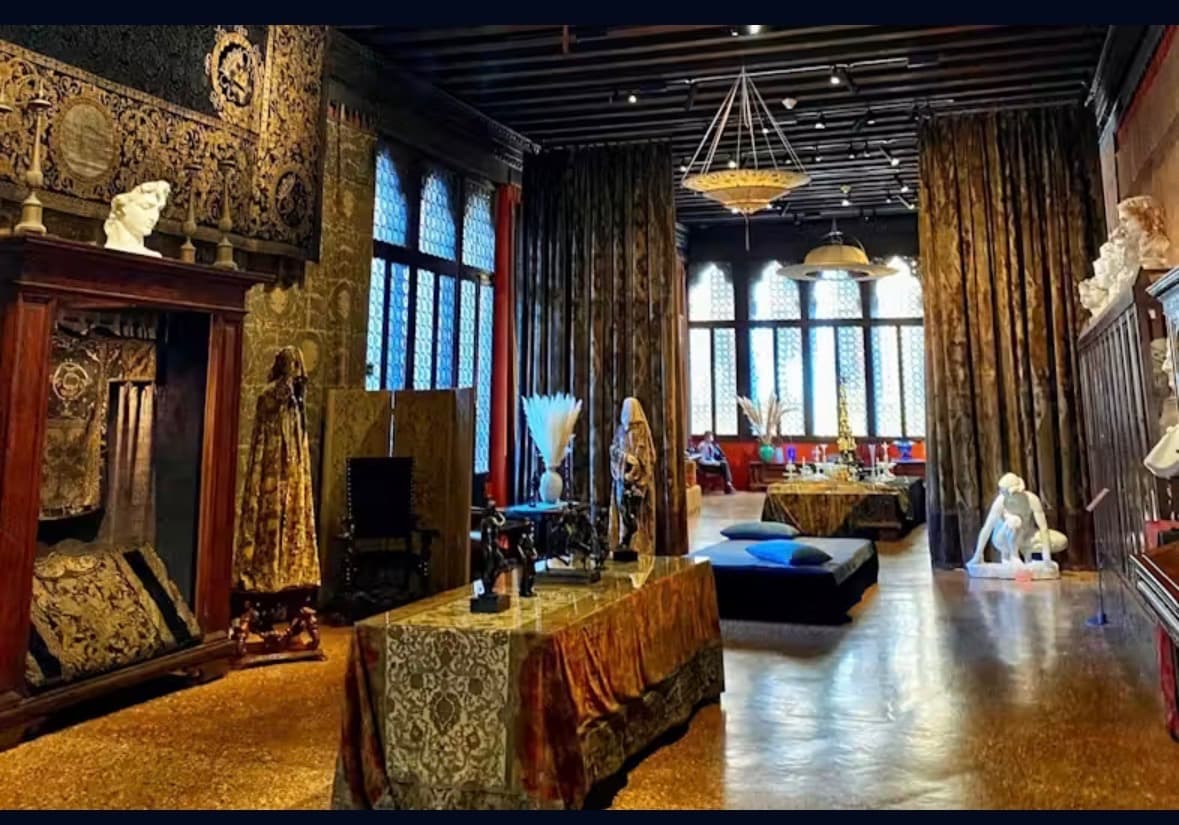
On Palazzo Fortuny, a forbidden patio, and the fabrics I have been ordering ever since.
I have loved Italy and the arts and the beautiful goods coming out of it for years.
Fifteen years ago I was obsessed with the Palazzo Fortuny. A palace that still exists today, where the Fortuny fabrics were made, and it was still intact.
So I was just on a mission to go and find this palace and see what it felt like.
So I did.
I arrived, and it had a very humble courtyard. Kind of like an ancient court. Brick, and a well in the middle right in front of it, with a nondescript entrance and a little sign. And you could go in.
This palace is still intact after all of these centuries. Very little has changed. Thank you, God, to Italians who preserve things. That's why you never see McDonald's. That's why you can point your camera anywhere in Venice or Florence and it's a beautiful photo.
So I went in, and I was just amazed.
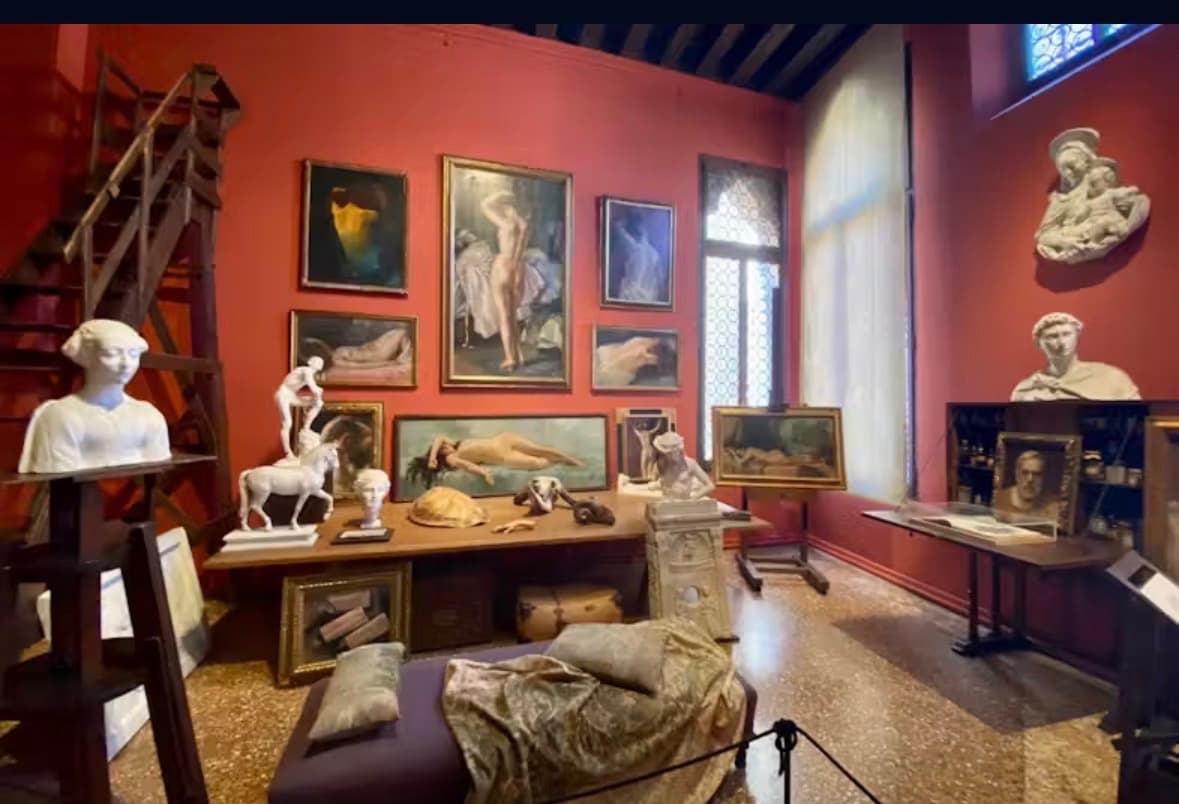
First of all, I was struck by the smells, the artistry, the rooms, the decisions. It's like you can time travel through interior design.
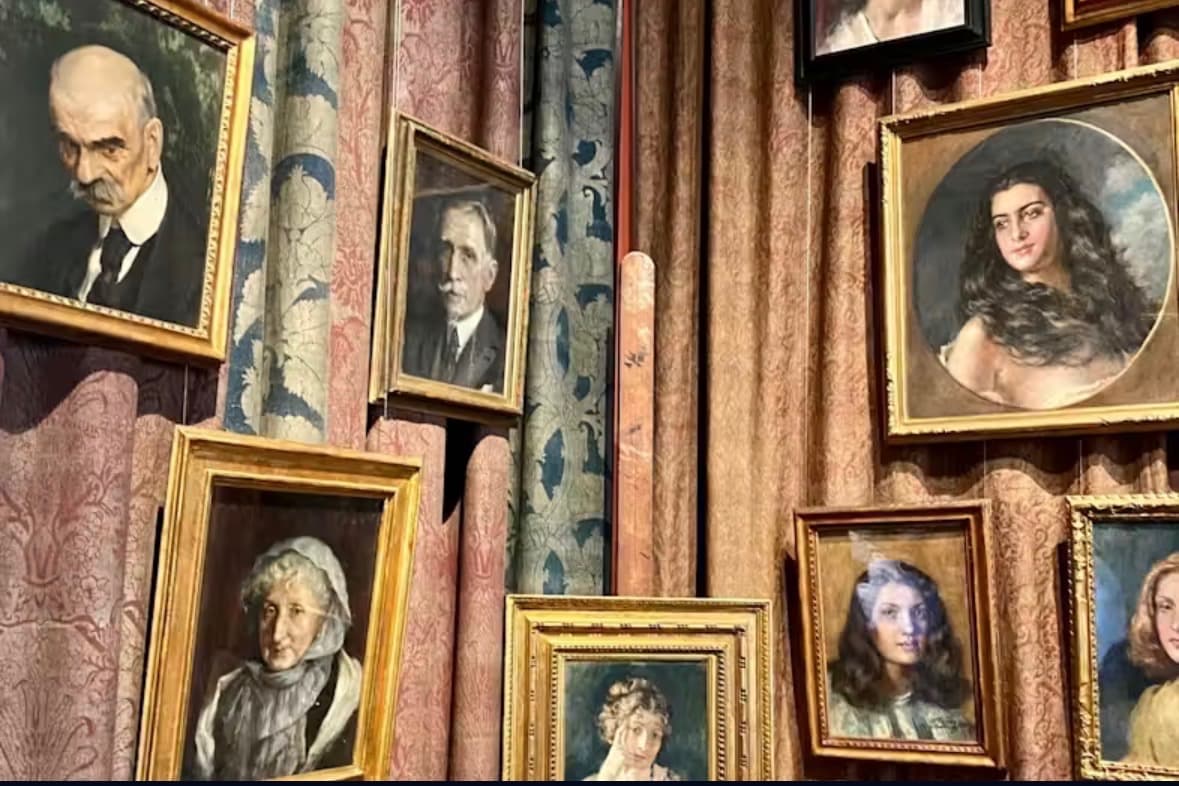
And the grand salon, which is this room of great proportions. Maybe twenty foot ceilings. There are two levels. One is fabric, with paintings mounted on top of the fabric that go all the way up to the ceiling. And then all these series of couches that surrounded the room.
Just a million decisions you can feel from the minds of the creators, going back through centuries.
The velvets, the patterns, the lighting, the color, the chiaroscuro of the light, the sculpture. Just mesmerizing.
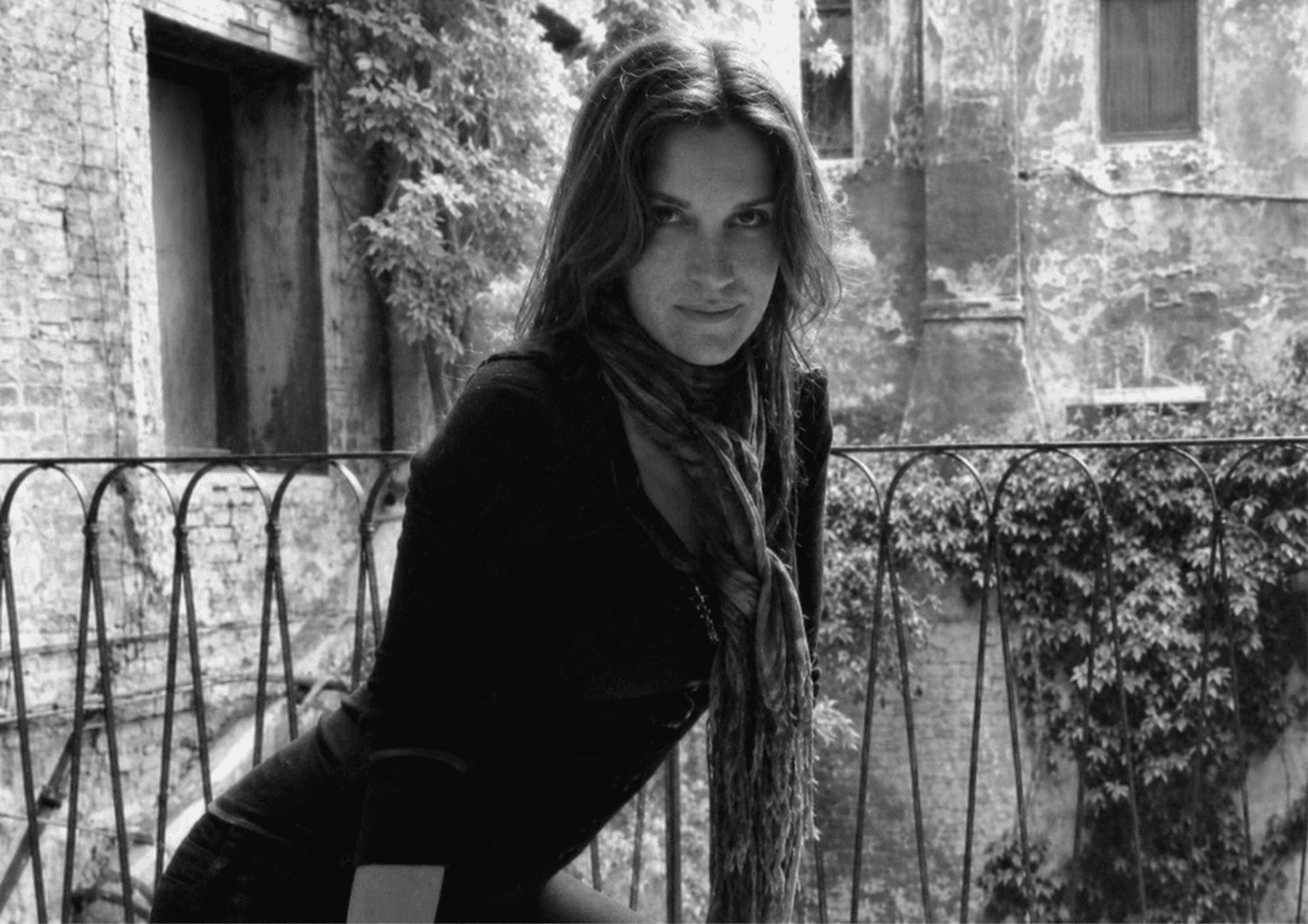
And then the forbidden places. I found myself on a forbidden patio. A do not enter. I went out and I took a selfie.
This was fifteen, sixteen years ago. That's the selfie of me sneaking out on the patio. A cat in heat looking for great design.
And I just fell in love with it all. The fabrics I researched, the different fabrics. I've ordered many pieces of Fortuny. It's hard to get. I have some big pieces still to this day.
And it's the heritage. It's the dyes, the looms, the patterns that were used for certain houses. It's the history.
It's craftsmanship at its very finest.
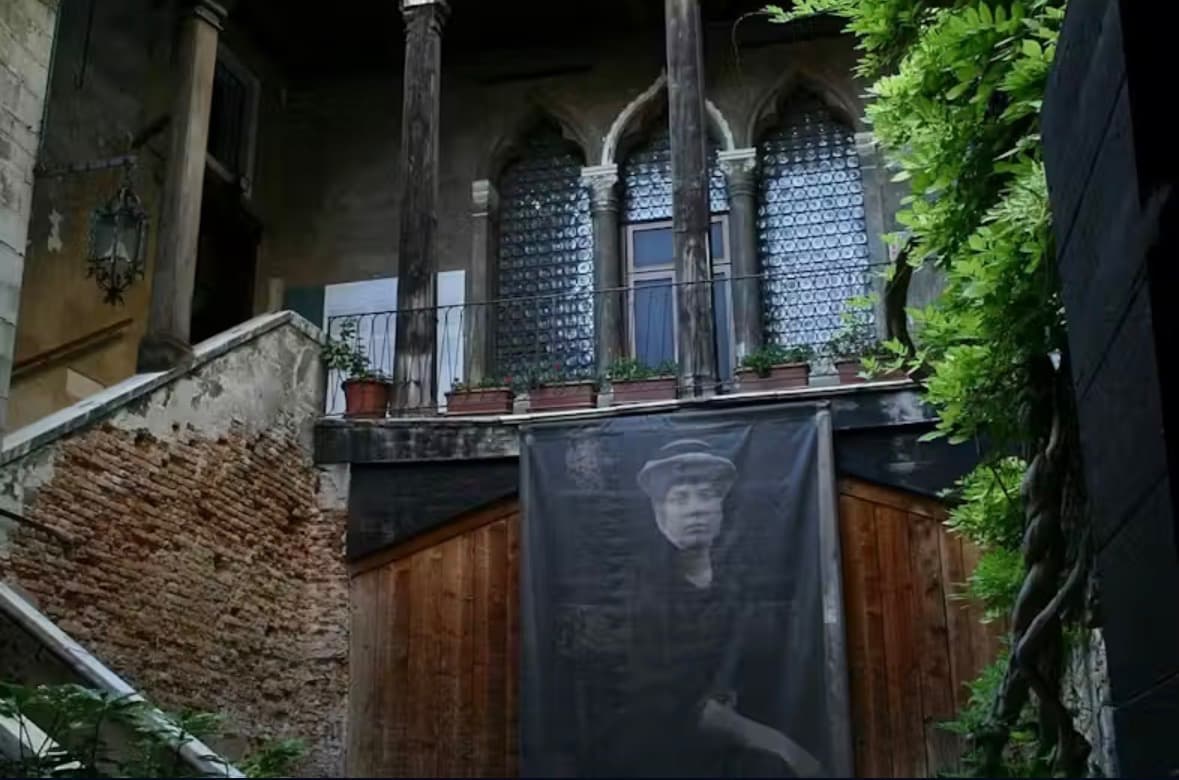
“You can time travel through interior design.”
THE COLLABORATION
A workshop in South Dakota, the old hard way, and a kitchen you pass down.

There is a workshop on Lawler Street in Mitchell, South Dakota. The doors open at seven in the morning, four days a week.
Albert’s father left the Amish when Albert was sixteen. The way of building did not leave with him. No trade secrets, no shortcuts, no faster method somebody worked out later. Just the old hard way, passed hand to hand.
I have spent my career among the ateliers of Milan and the rest of Europe. The velvet houses. The glass studios on Murano. Workshops that have been doing things the difficult way for centuries because the difficult way is the only way that holds.
This is the American version of the same thing, and I did not expect to find it in South Dakota.
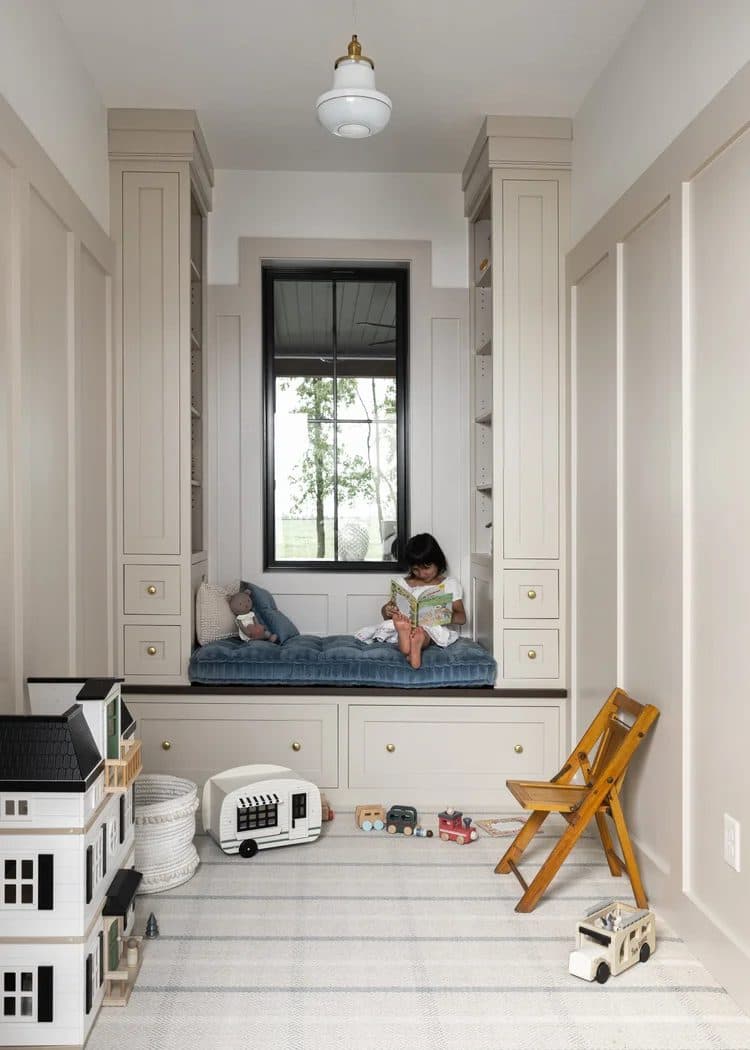
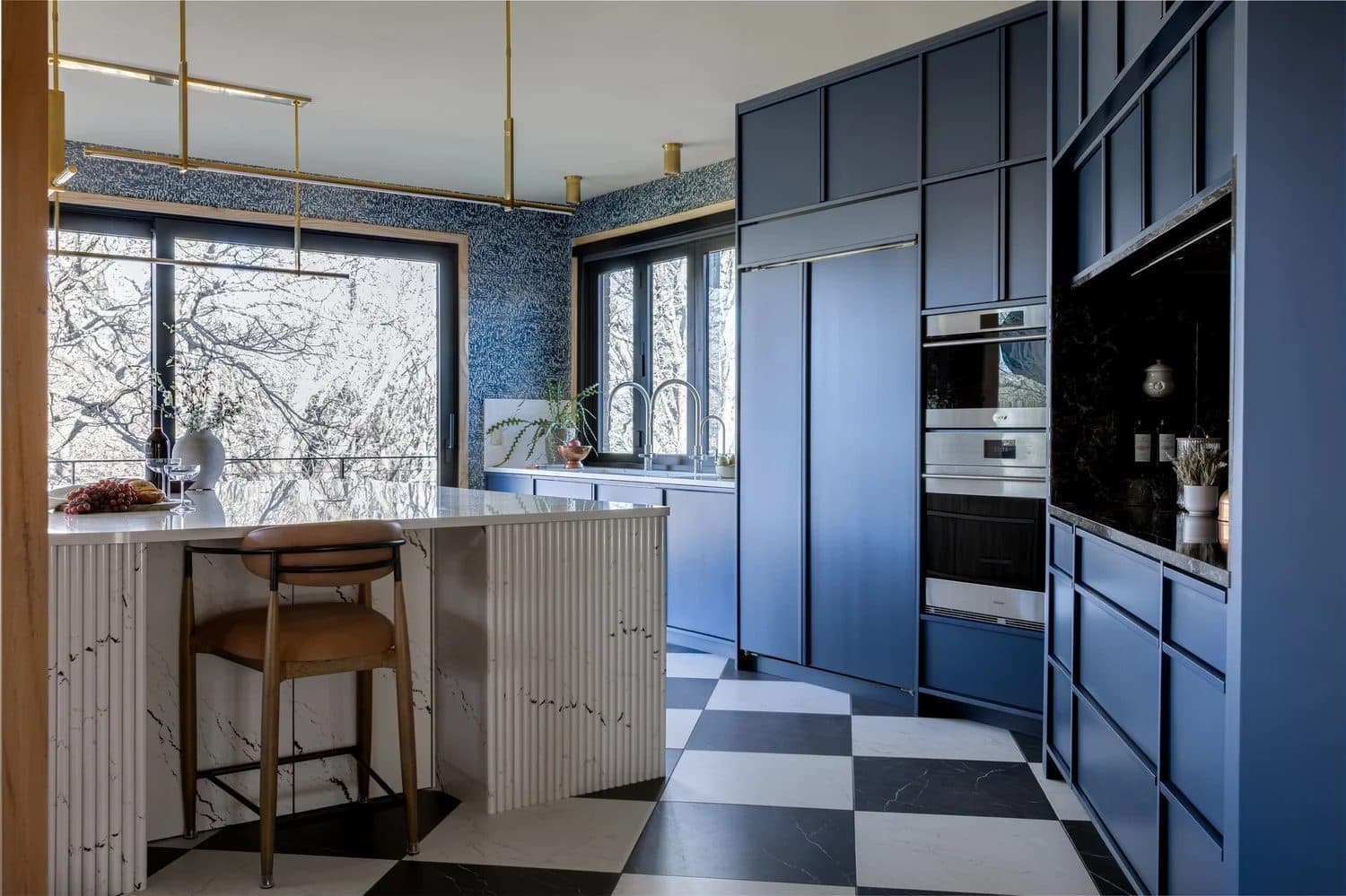
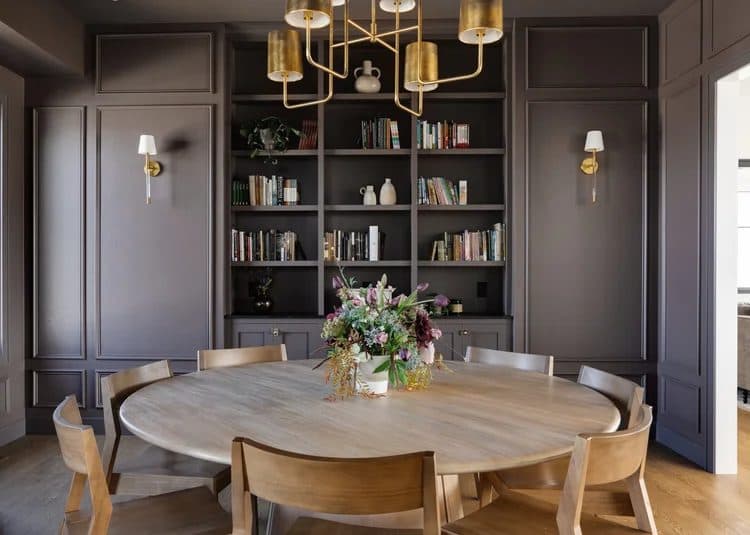
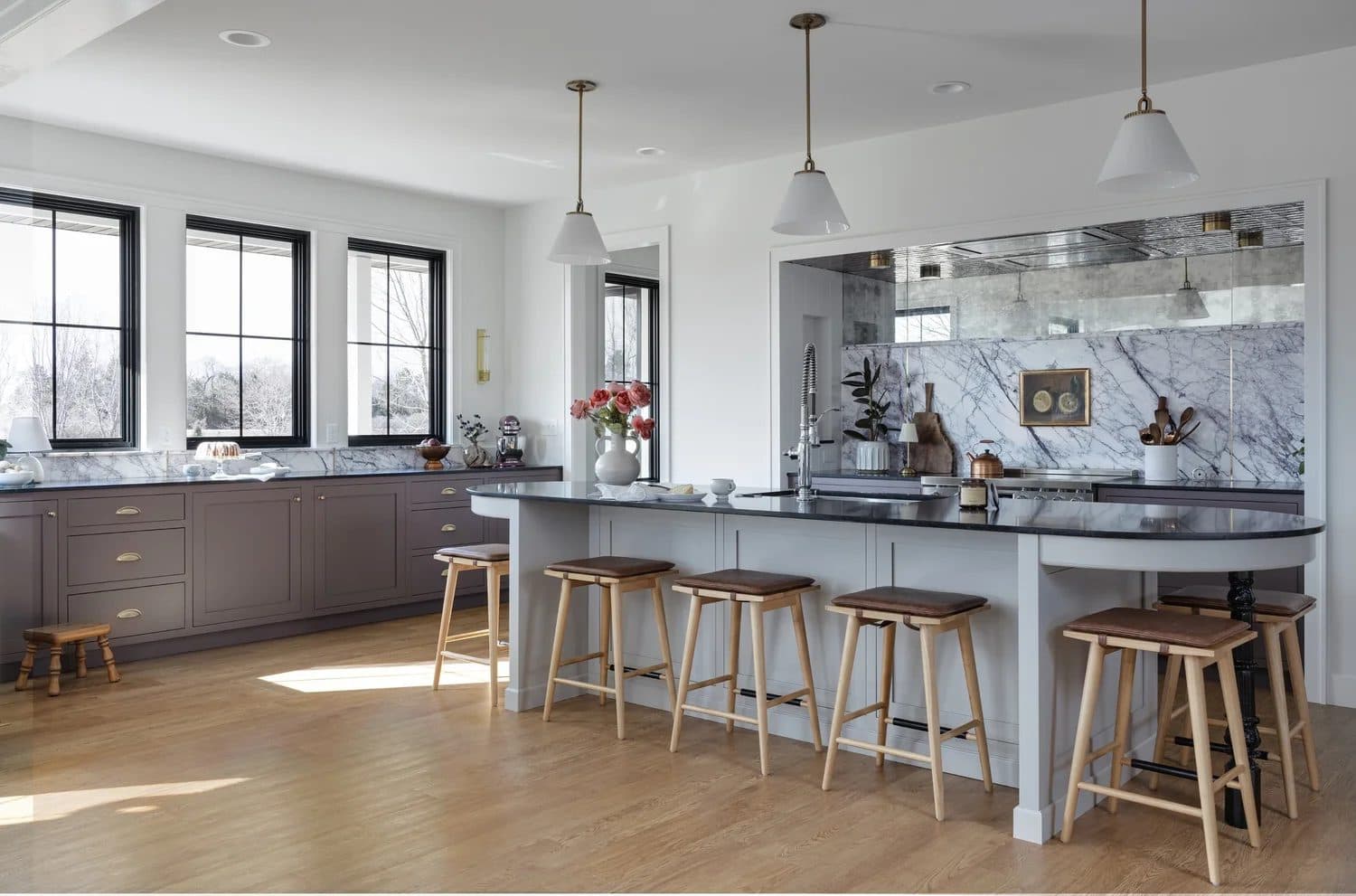
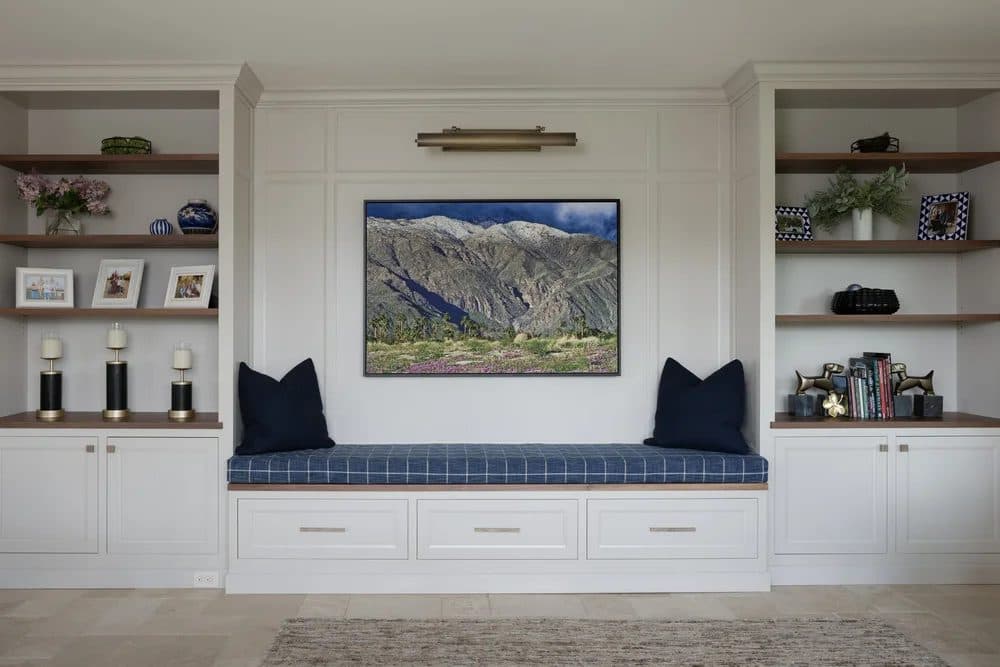
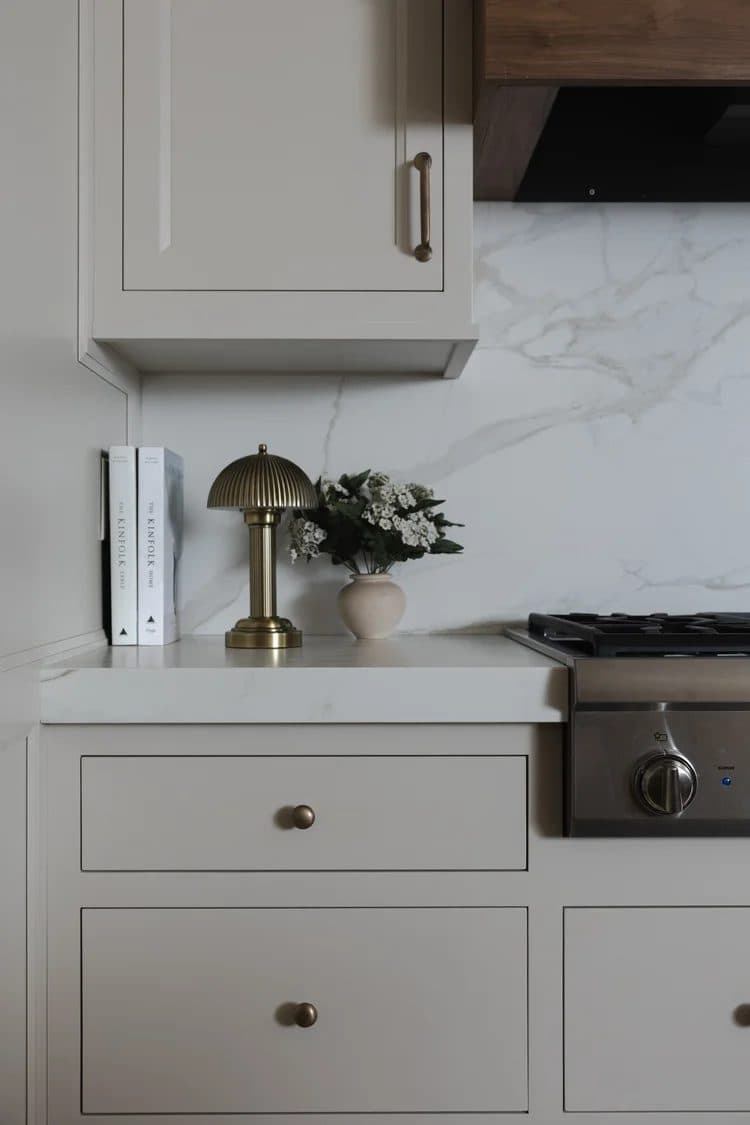
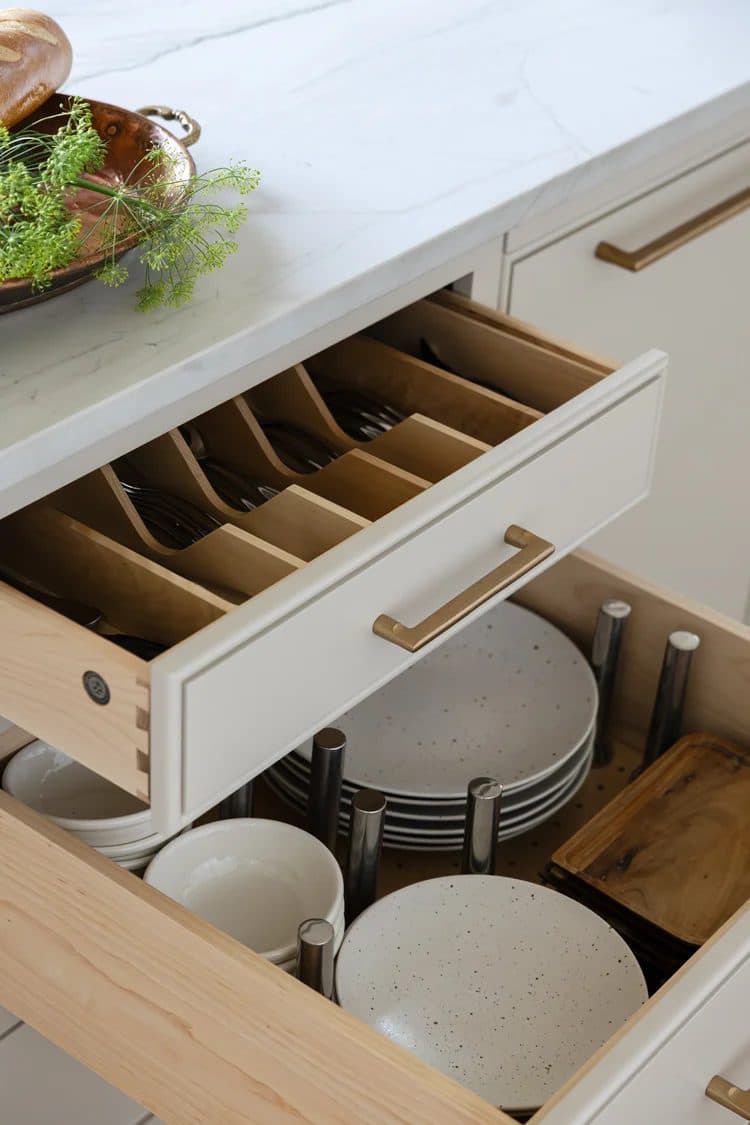
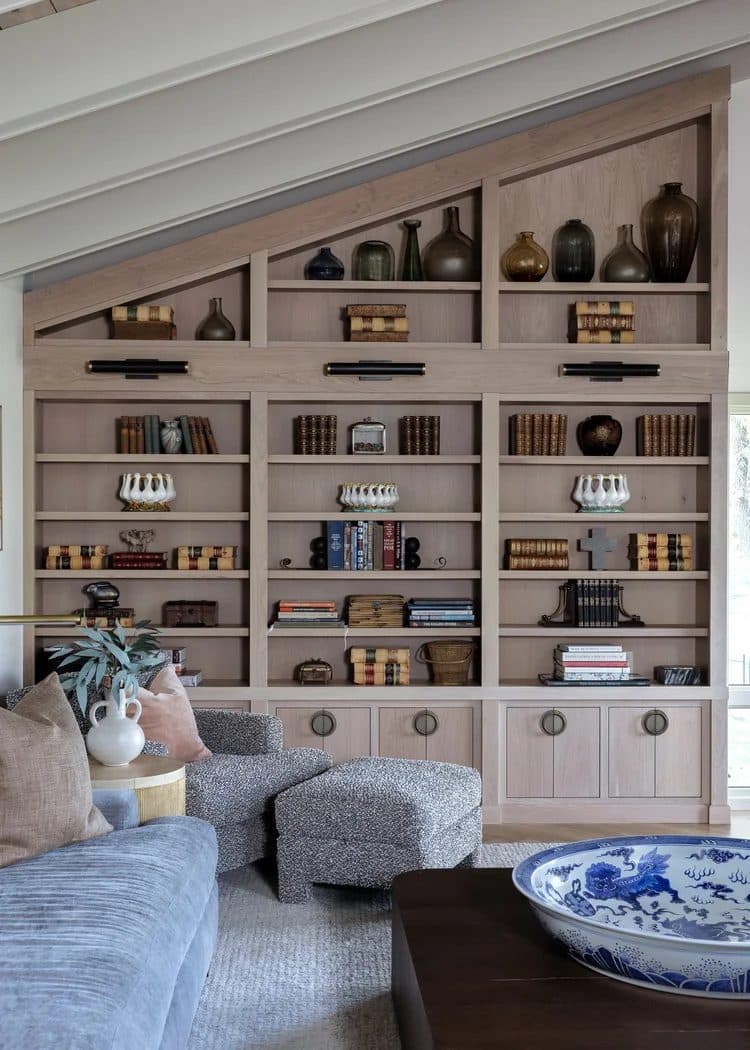
What Helmüt builds is quiet. Cabinetry and shelving for the room where life actually happens. The dish your family asks for again. Doors that close a thousand times a year, with a hush.
Everything else in this issue is preserved. A palace where almost nothing has changed. Fabric on a loom. Dyes mixed from formulas somebody worked out a hundred years ago.
This part is not preserved. It is still going, seven in the morning, four days a week, on Lawler Street.
This fall a Helmüt kitchen goes into my studio in Austin.
Disclosure: Giselle Koy is a design partner of Helmüt and earns a commission on products specified for clients.
This is not woodwork you replace. It is woodwork you pass down.
The Feature
In 2024, the Bulgari Hotel opened in Rome.
I took the pilgrimage, because I could not wait to see what had been created.
They had been building it for years, out of an old building they converted. A Mussolini style government office, the kind of heavy block Rome has plenty of and that nobody expects much from.
What I discovered inside was a treasure. It is a celebration of all the old craftsmen of Italy.
What stands across the street
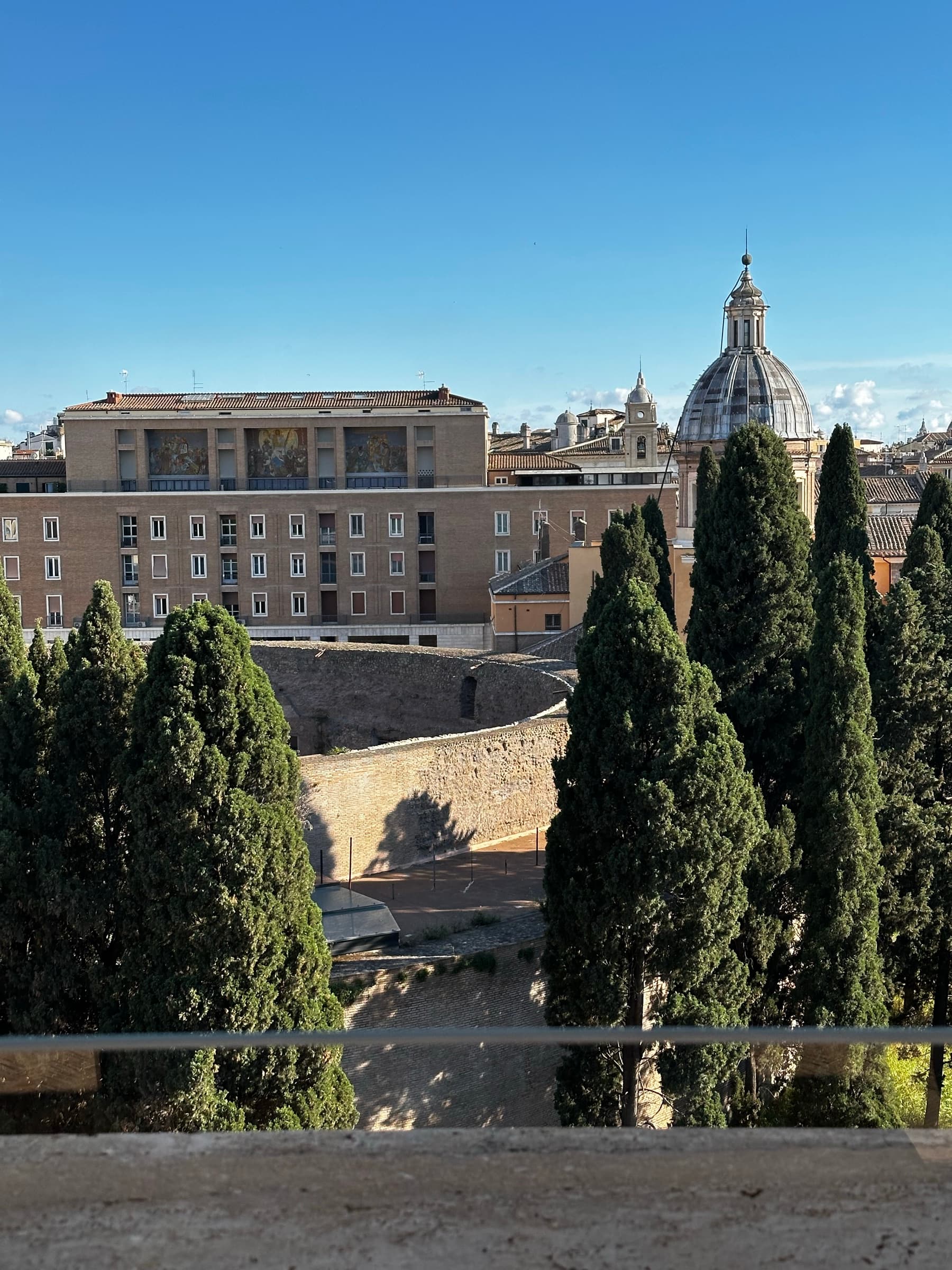
The hotel sits directly across from the Mausoleum of Augustus.
It is an ominous monument. A massive monolith, kind of empty, being renovated right now. And no one really knows how it looked. They do not have any real drawings of it. They cannot confirm its original nature.
So it is a circle mystery, sitting there in the middle of the city.
There is a terrace at the hotel that overlooks it.
They got the old looms out
The damasks and the velvets were not reproduced. They were woven.
They brought the old looms back out and made the fabrics the way those fabrics were made the first time. Not the look of the process. The process.
The floor of the Pantheon, on a curtain
The floor of the Pantheon is the circle and the square, one set inside the other. It has been underfoot for centuries.
They took that motif, and they took its colors, and they turned it into the curtains.
The vault
Bulgari made jewels for the nobility of Italy for years, and the house kept them.
They went into the vault, took the original pieces, and had them rendered as mosaics. Those mosaics are set into the bathroom walls of the suites.
How magnificent is that.
The sky over ancient Rome
They took some of the old fabrics and made a gold cloth from the different horoscopes as they appeared in ancient Rome. It is in one of the private dining rooms.
The drinks are made from old recipes.

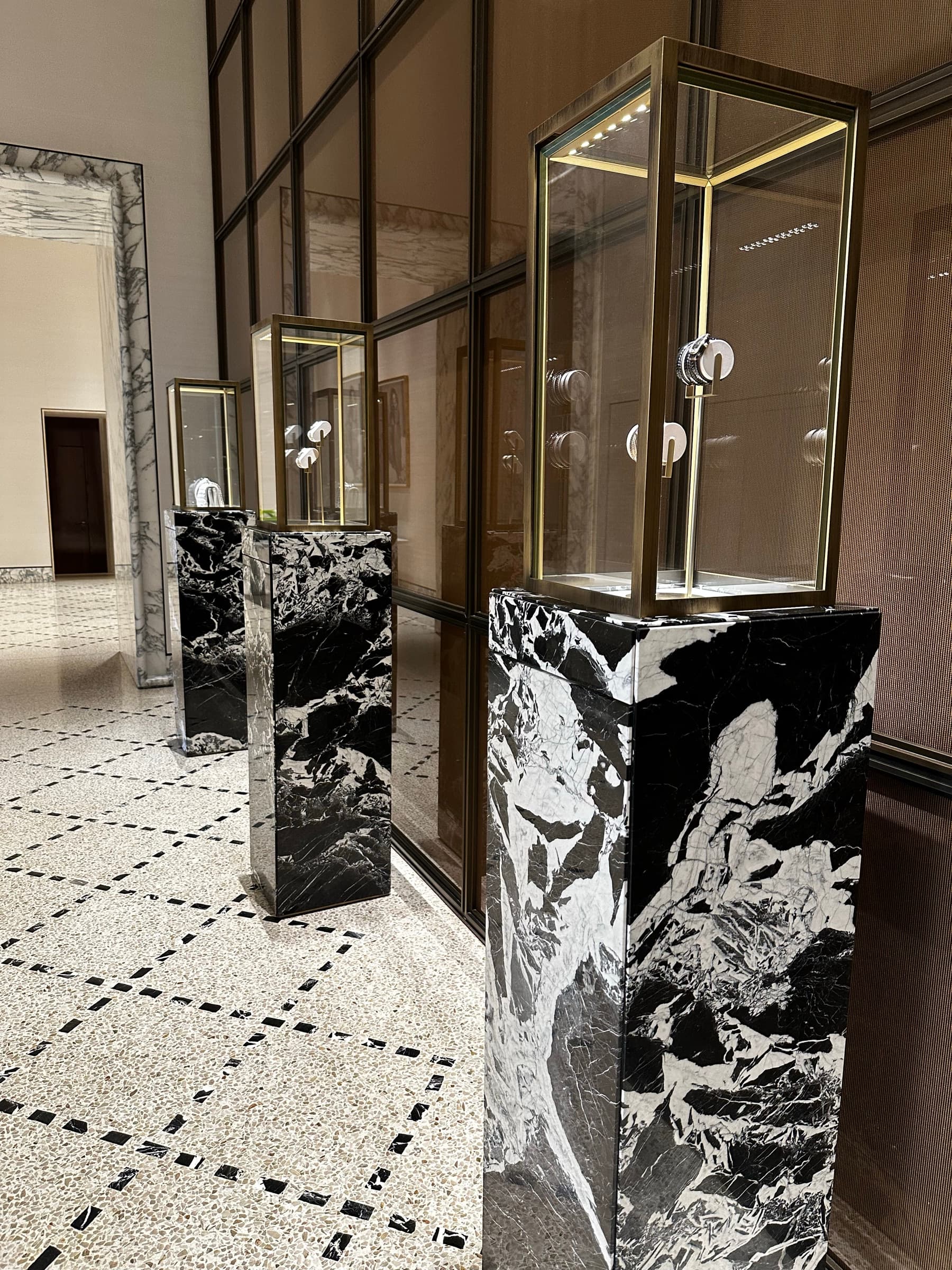
Black marble, white veins
The hallways are lined with colonnades cut from a very rare black marble with white veins, so heavily figured that no two panels agree with one another.
And of course, on top of them, the classic jewelry display case. A glass cube, a brass frame, and only something magnificent inside.
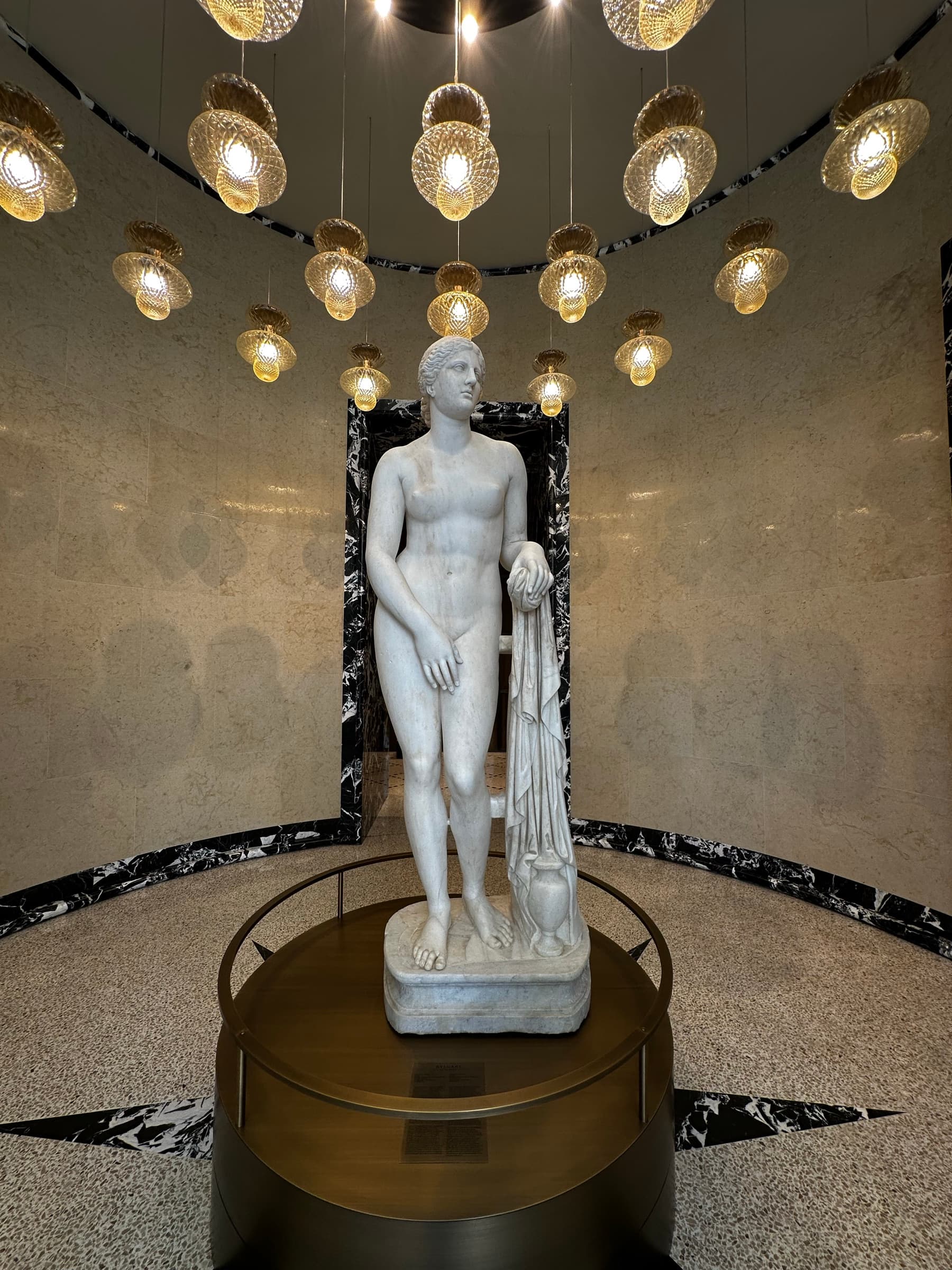
The figure in the lobby
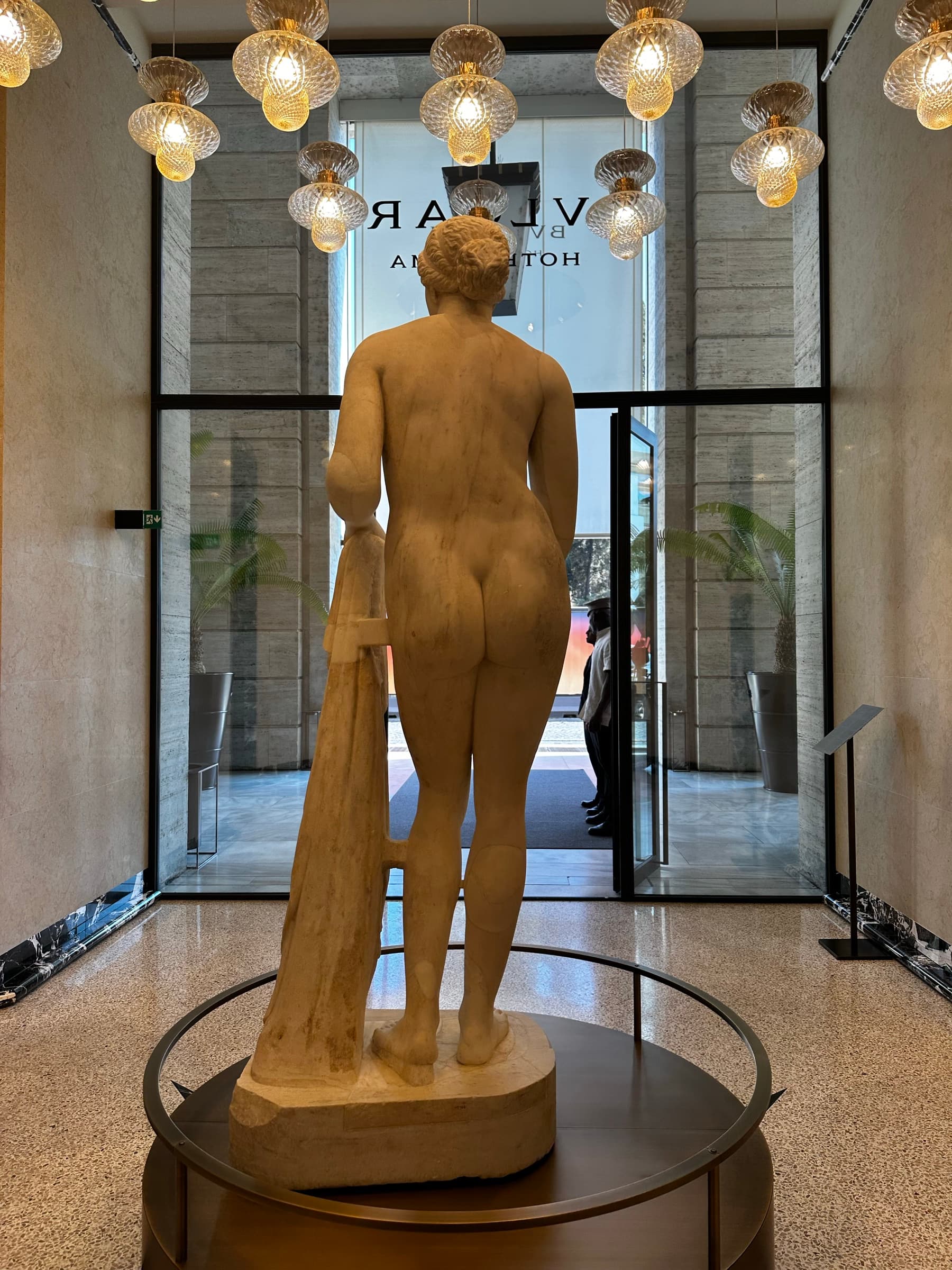
There is a sculpture at the center of the lobby, and they change it out.
They have access to the most outstanding sculpture of anyone, and the freedom to go in and change it whenever they want.
When they opened the hotel, of course, they had Augustus. His mausoleum is across the street.
And then the contemporary
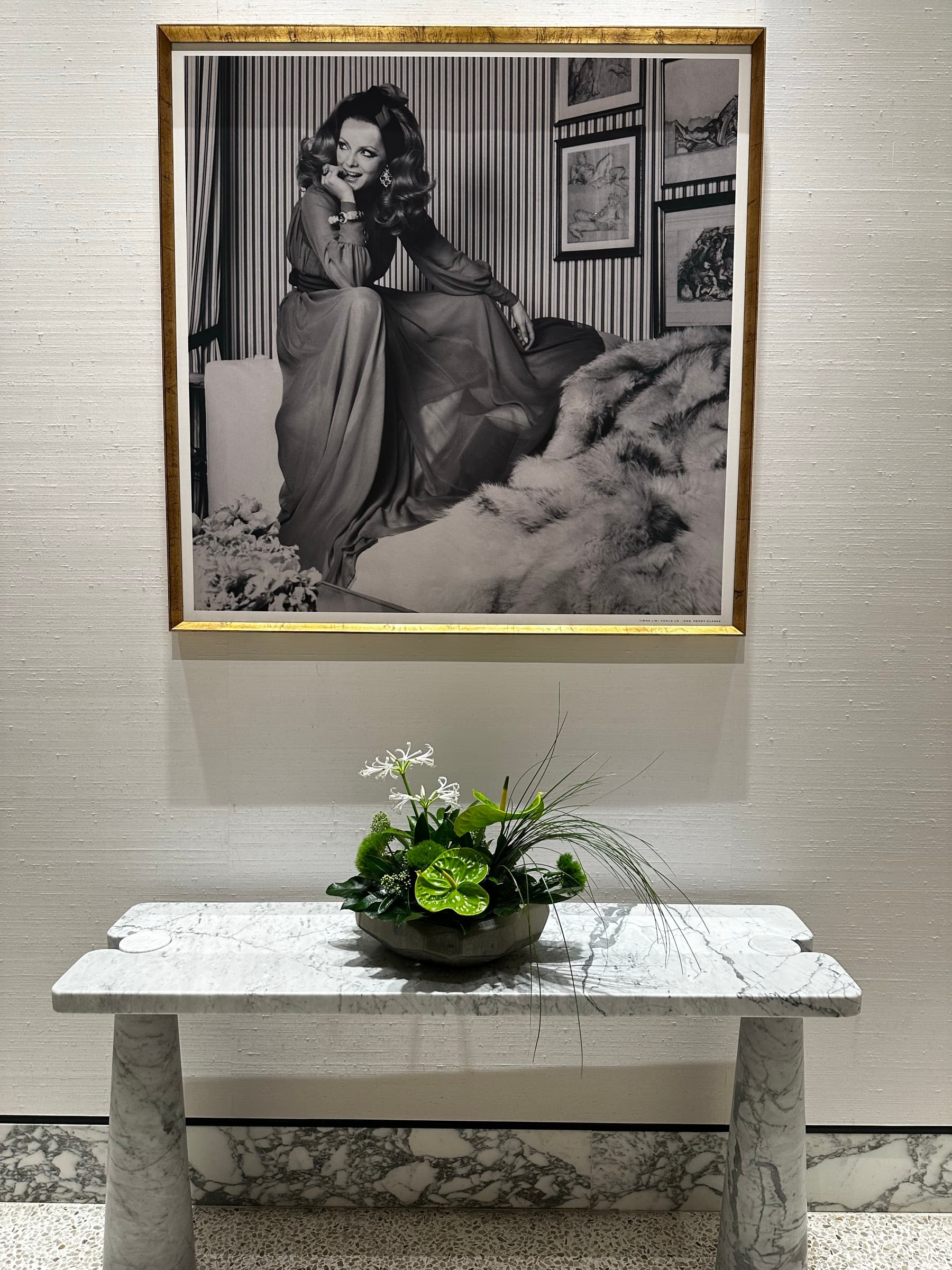
They also thought of very contemporary artists, and did a lot of contemporary photography.
It mixes well with all of this.

These are just a few of the things I found out about old world craftsmanship at the Bulgari Hotel.
None of it was necessary. The looms, the vault, the horoscopes: a hotel does not require any of that. Someone decided the work was worth doing anyway.
The sources
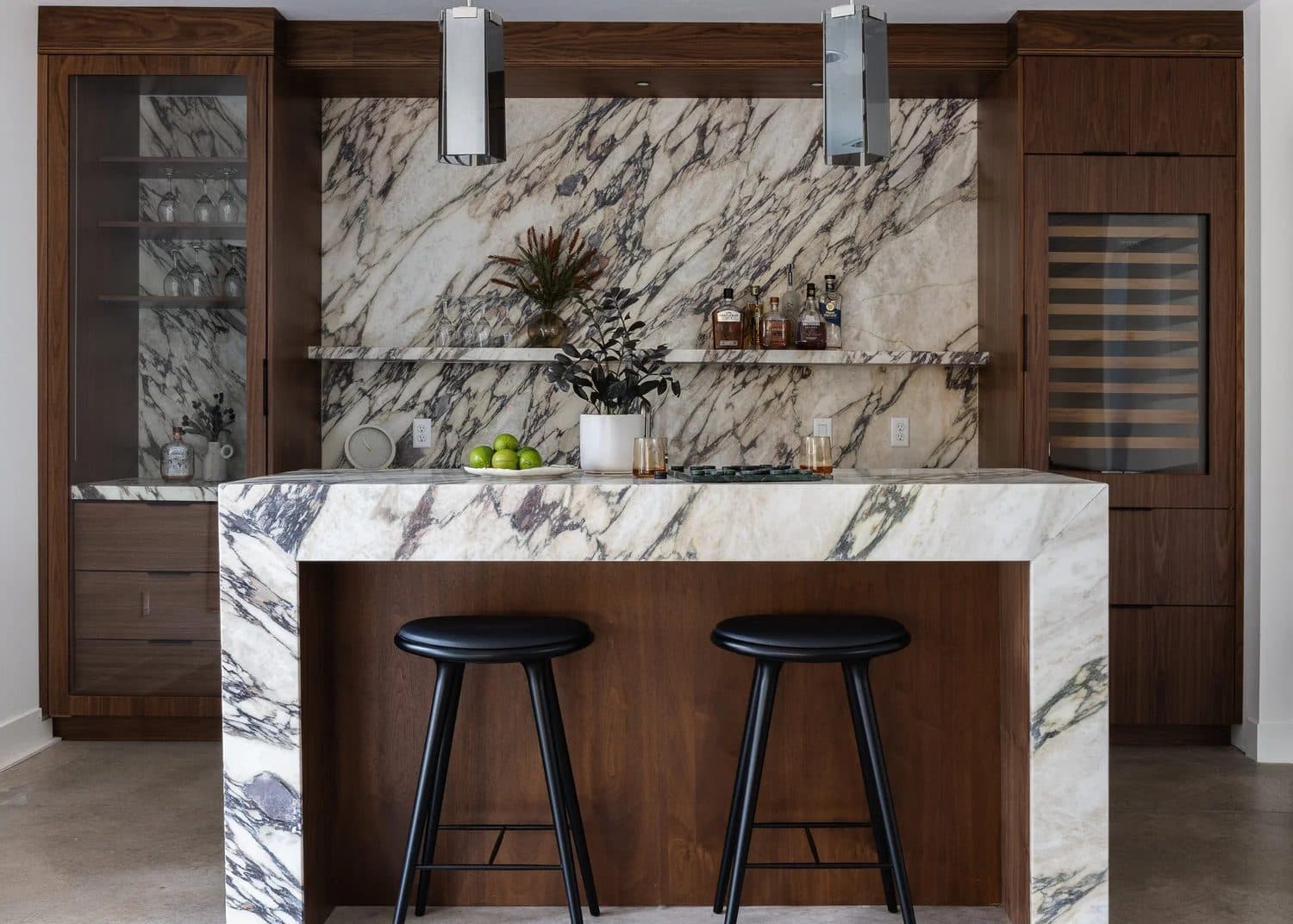
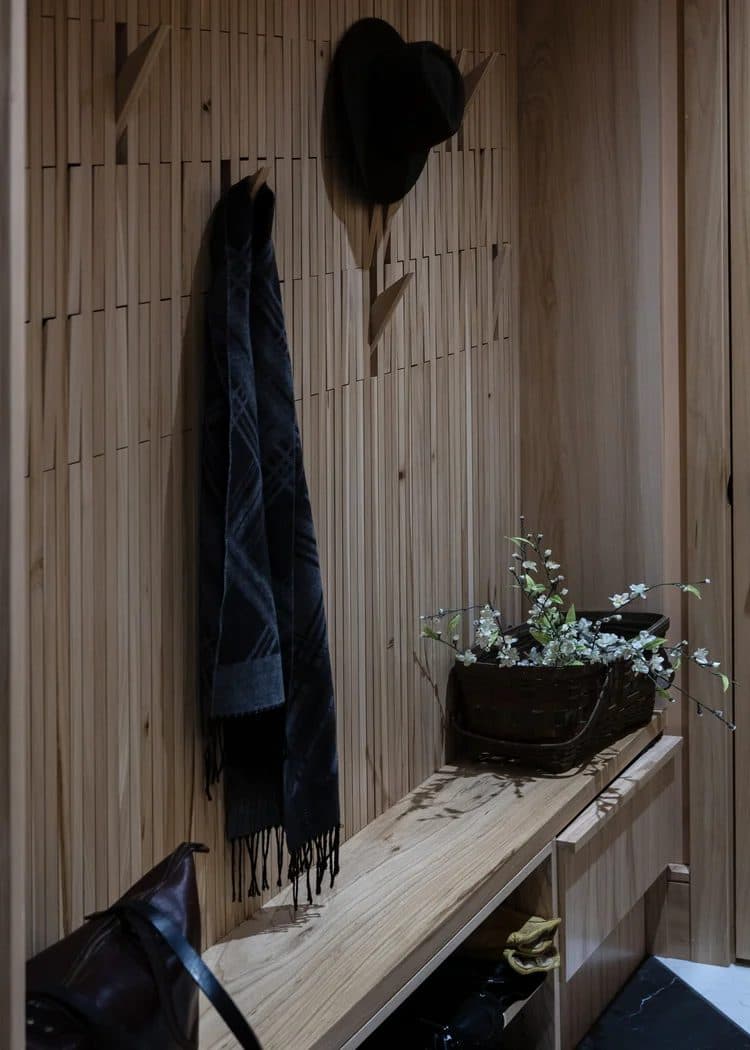
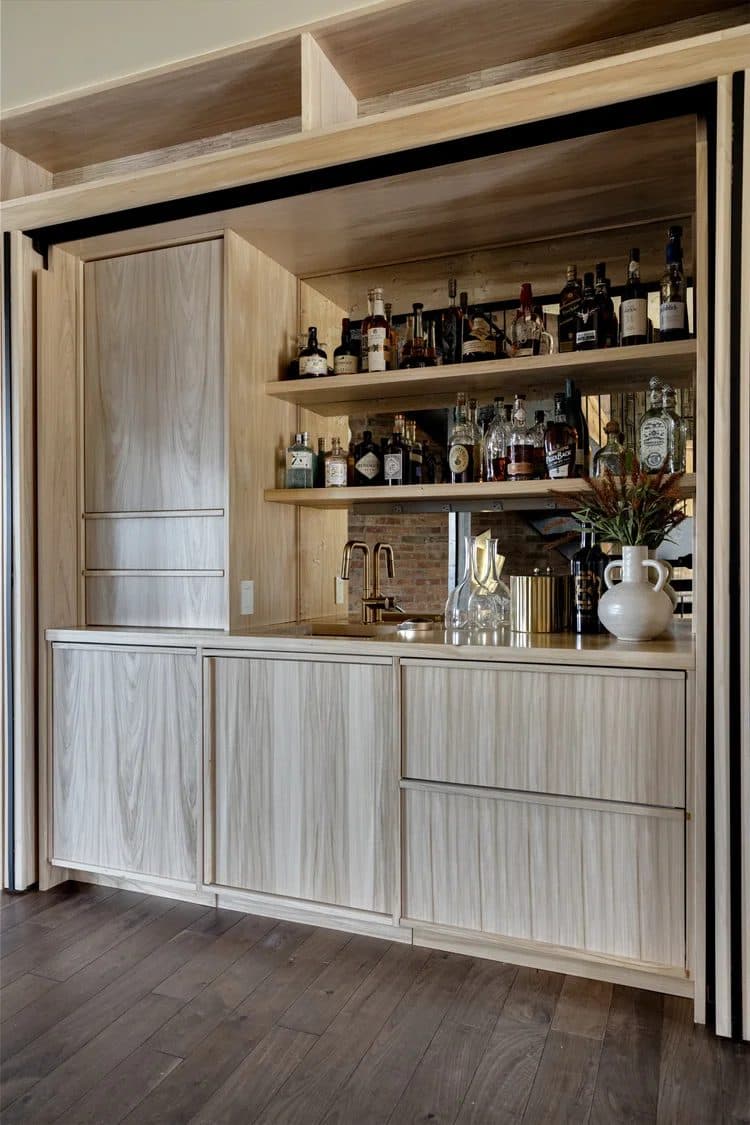
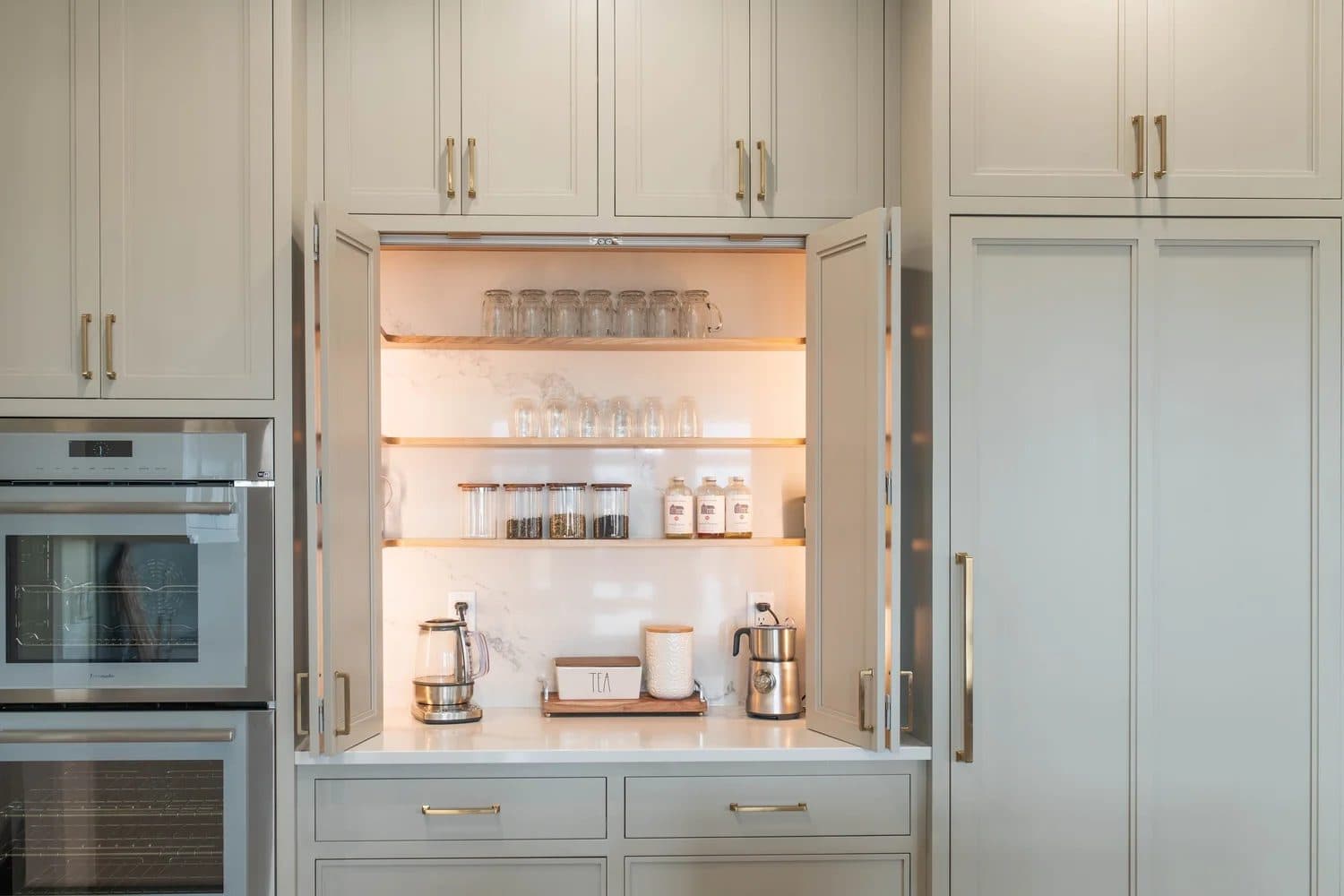
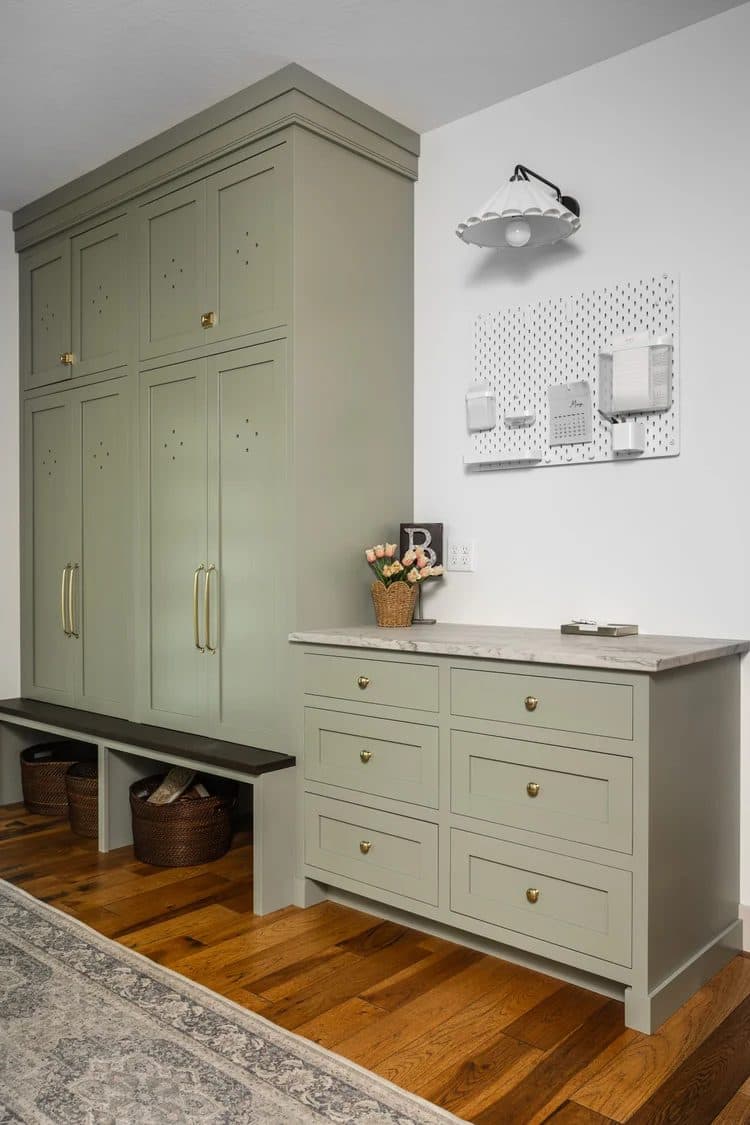
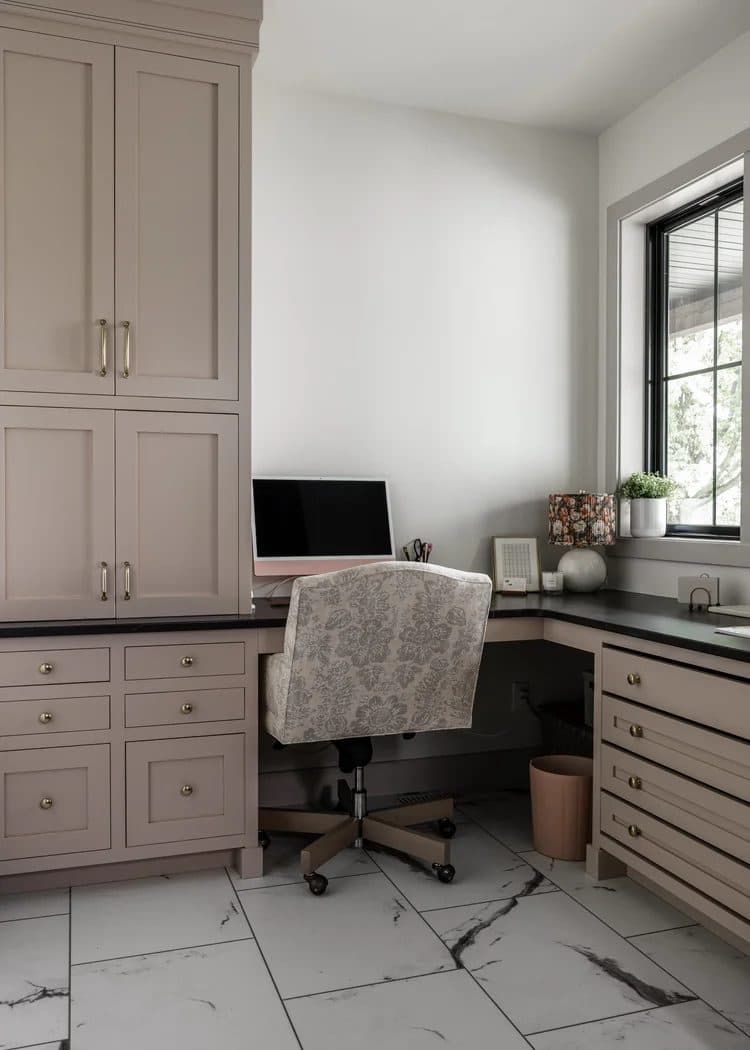
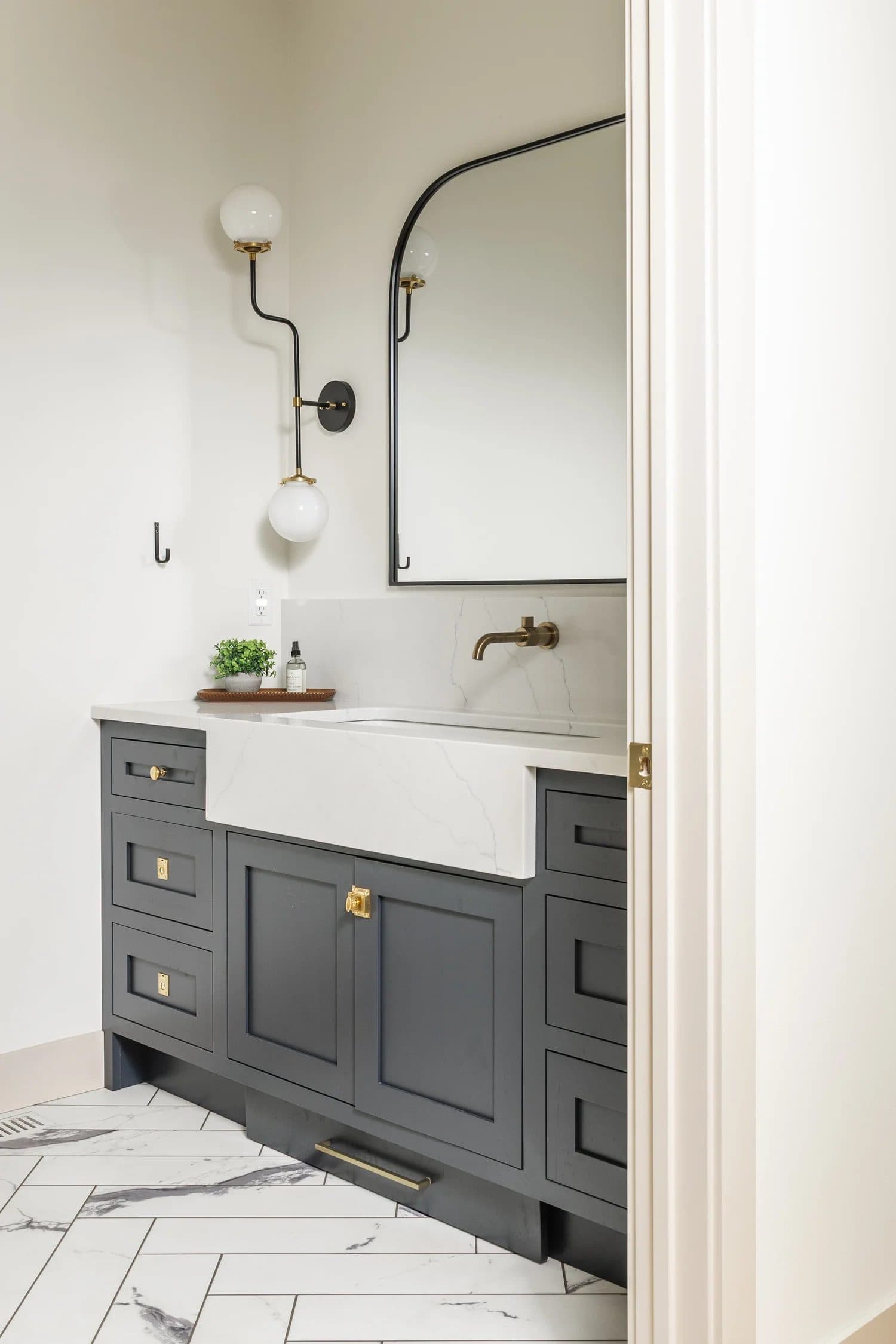
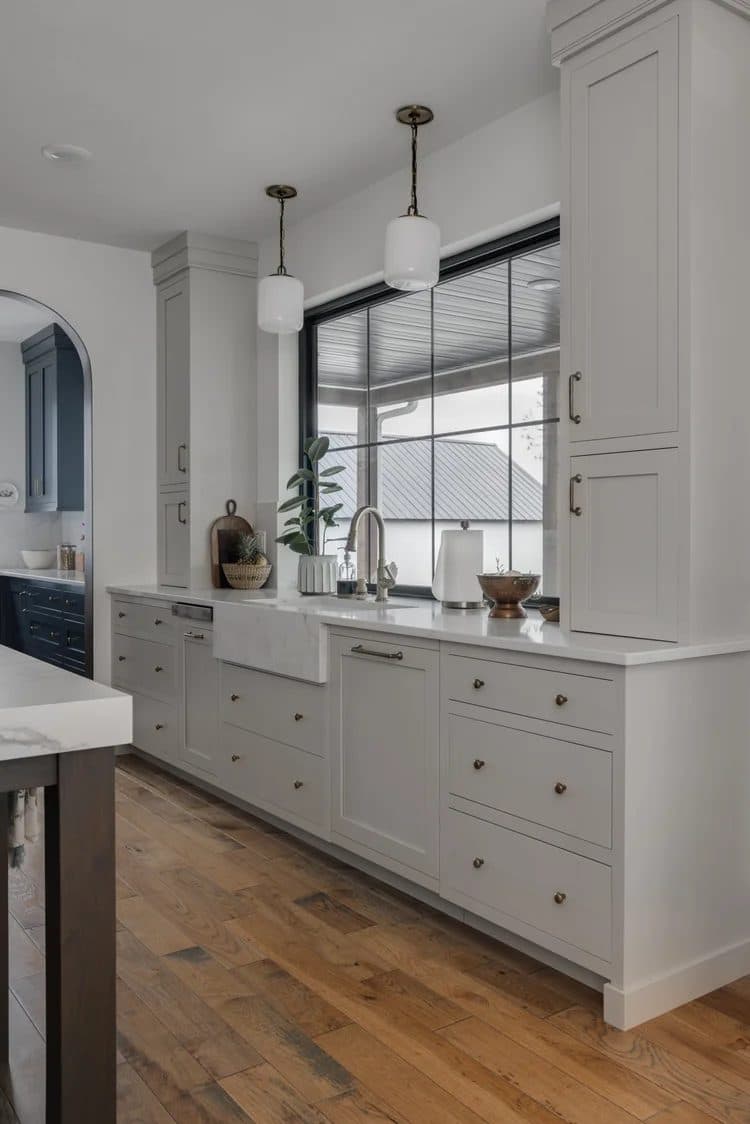
Helmüt is a family business in South Dakota, and they build cabinetry the way the workshops in this issue build everything else. Every piece is drawn from scratch, made in their own factory, and installed by their own team. The people who build it are the people who set it in the room.
German precision rather than Italian. A different lineage arriving at the same place: something made to fit one house, and to keep fitting.
Sioux Falls. Mitchell. Dallas.
Disclosure: Giselle Koy is a design partner of Helmüt and earns a commission on products specified for clients.
Coming next
And after that: THE 808 · THE COLORADO ESTATE.
Each issue arrives at the start of the month. Leave your email and the next one comes to you.


